Fraud Blocker

Commercial Waste Disposal Rules Every Business Should Know in 2025

Commercial waste is an unavoidable part of running a business, whether you operate from offices, shops, warehouses or other business premises. Understanding waste disposal regulations in 2025 is essential for UK businesses that want to remain compliant, avoid fines and manage rubbish responsibly. This article explains commercial waste disposal rules, what businesses must do, and how proper waste management protects your operations. It is worth reading if you want clarity, confidence and practical guidance.

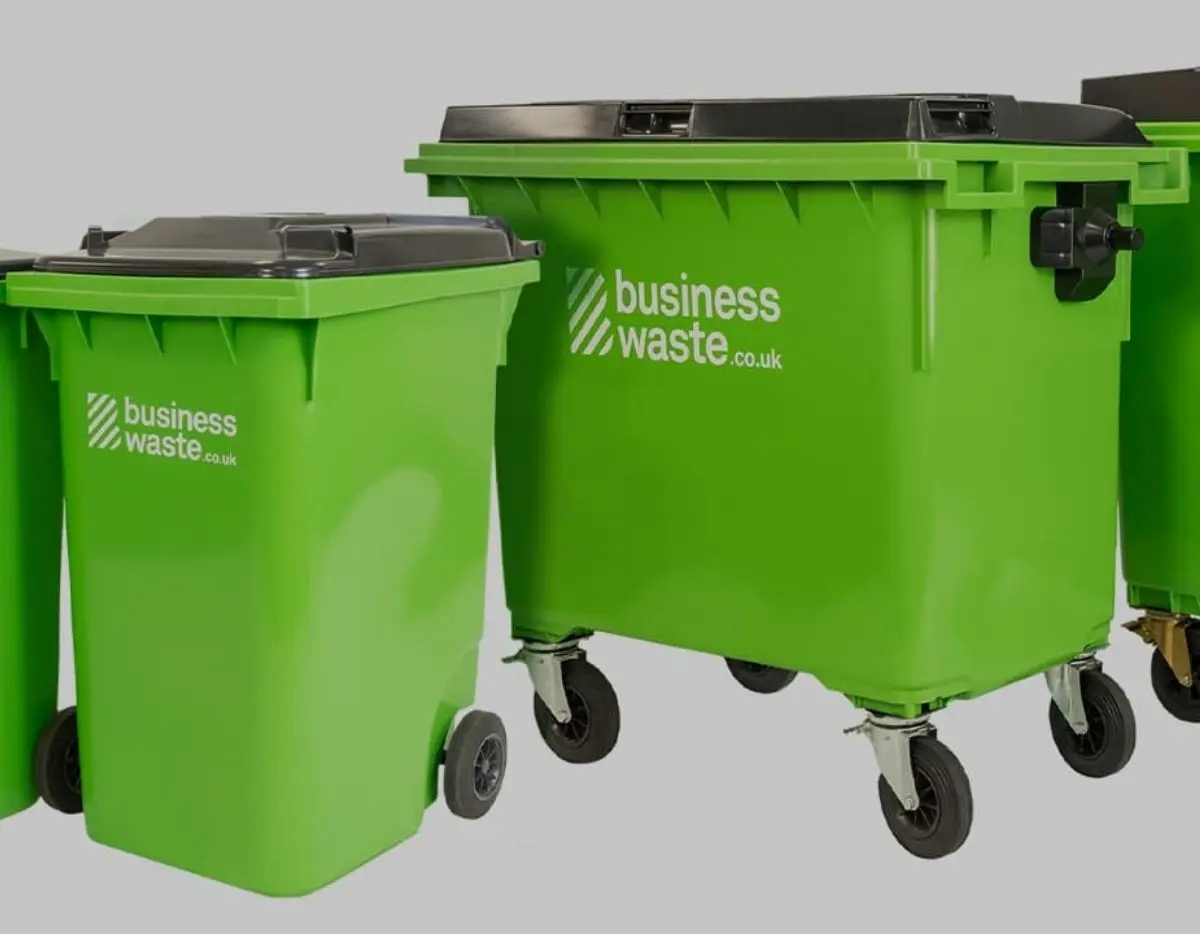
Green commercial wheelie bins used for business waste disposal and recycling

Table of Contents

Commercial waste what counts as business waste?

Commercial waste includes any waste produced as part of your business operations. This can include general waste, packaging, plastic, food waste, clinical waste and trade waste created through commercial activity.

It is different from household waste and must be managed separately. Businesses have a duty to ensure commercial waste is stored correctly and collected through an authorised waste collection and disposal system.

What waste regulations apply to UK businesses?

Waste regulations in England and Wales are enforced under the Environmental Protection Act 1990. These rules set out how businesses must manage, store and dispose of waste safely.

Businesses have a duty of care to follow disposal regulations, keep waste secure and ensure it is collected by a licensed waste carrier. Failure to comply can lead to non compliance issues and penalties.

Commercial waste disposal rules in 2025?

In 2025, commercial waste disposal rules place stronger emphasis on recycling, segregation and documentation. New powers to enforce environmental protections mean authorities can take action more quickly.

From March 2025, businesses must take reasonable steps to apply the waste hierarchy and improve recycling across waste streams. This includes separating recyclable materials and reducing landfill or incineration where possible.

How should businesses dispose of commercial waste?

To dispose of commercial waste correctly, businesses must use a licensed waste collection service. Waste must never be placed in public bins or mixed with household waste.

Waste collections should match your waste needs and collection days must suit your physical business location. Waste must be stored in a suitable bin, such as a dedicated wheelie bin, until collected.

Recycling rules and waste segregation

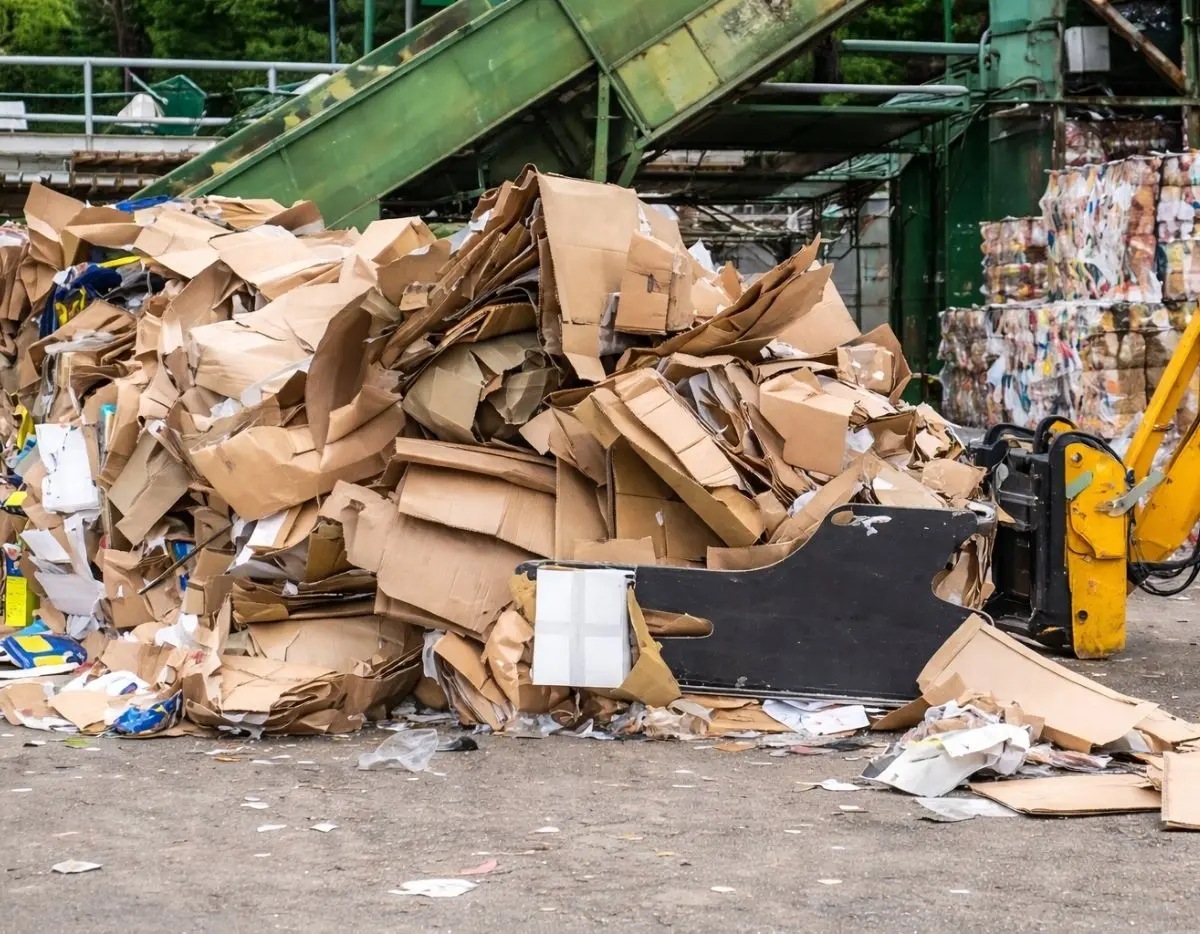
Cardboard and paper waste being processed at a commercial recycling facility with machinery and baled materials

Recycling is a core part of commercial waste management. Businesses must separate recyclable materials such as plastic, bottles and jars of any colour, paper and cardboard.

Waste segregation helps reduce landfill use and supports sustainable waste practices. Mixed recycling systems can be used, but non recyclable materials must be kept separate to avoid contamination.

Food waste and clinical waste requirements

Food waste must be stored securely and collected separately where required. This is especially important for hospitality and food related businesses.

Clinical waste and infectious waste are classed as hazardous waste. Hazardous waste is also subject to a consignment note procedure and must be collected by an authorised waste collector.

Confidential waste and shredding rules

Confidential waste can either be shredded on site or placed into a confidential waste bin. Sensitive documents should be put into a lockable container to be shredded.

Confidential waste can either be shredded immediately or sent off to undergo secure destruction. This helps protect data and ensures waste is disposed of properly.

Waste transfer notes and authorisation?

Every commercial waste disposal arrangement must include a waste transfer note. This document records the type of waste, how it is handled and who collects it.

Businesses must authorise the waste carrier and keep this waste documentation. Waste transfer records help prove compliance and protect against waste crime or illegal waste disposal.

What happens if businesses fail to comply?

Non compliance with waste disposal regulations can lead to a fine, enforcement action or prosecution. Using an unauthorised waste carrier increases the risk of illegal waste being traced back to your business.

Waste crime damages the environment and reputation of businesses involved. Staying compliant helps avoid fines and protects your business rates and operations.

How proper waste management supports businesses?

Good waste management practices help ensure waste is handled responsibly and reduce costs over time. Applying the waste hierarchy as a priority order supports recycling and waste to energy options.

Commercial waste management is part of your business responsibility. Proper disposal, recycling and documentation ensure your business remains compliant and prepared for 2025 regulations.

Key things to remember

  • Commercial waste must be handled separately from household waste
  • Businesses have a duty of care under UK waste regulations
  • Use licensed waste collections and authorised waste carriers only
  • Recycling and waste segregation are required in 2025
  • Keep waste transfer notes for all waste disposal
  • Non compliance can lead to fines and enforcement action

WasteXpress

Get in touch with our friendly team, we provide accurate quotes within 5 mintues!

Table of Contents

REad more

Need Help or Got a Question?

Get in touch and get a FREE Quote

WasteXpress Logo

© WasteXpress 2026 | All rights reserved | WasteXpress is a trading name of City Care Ltd  –  11137350 |  Environment Agency Number: CBDU495189