Fraud Blocker

Sustainable Waste Management: How to Reduce Business Waste? 

Business waste is an unavoidable part of operating from commercial premises, but how that waste is handled plays a major role in sustainability.  Sustainable commercial clearance focuses on reducing business waste, improving recycling and adopting sustainable waste management practices that benefit both the environment and business operations. This article explains practical ways to reduce waste, improve clearance processes and support long-term sustainability. It is worth reading for any business looking to reduce its environmental impact while improving efficiency and cost control.

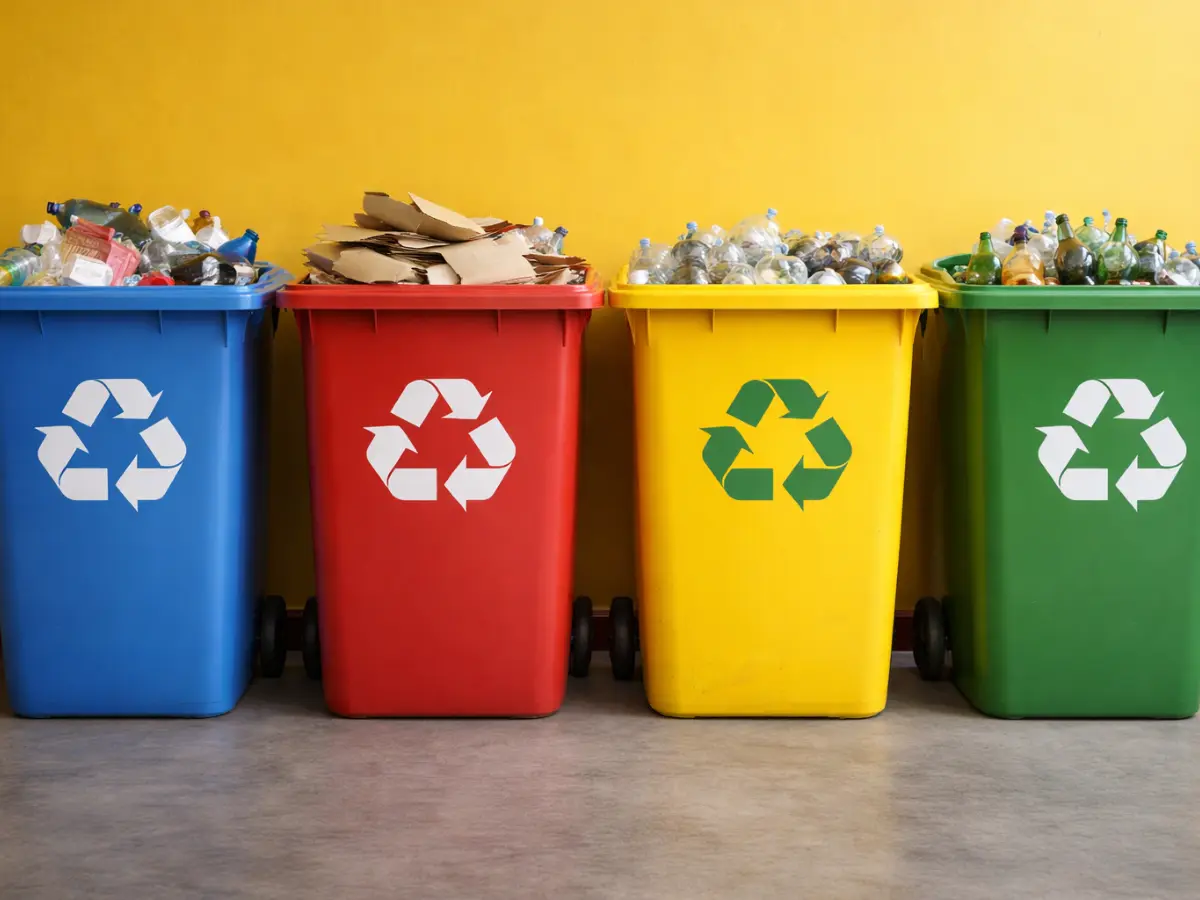
Recycling bins

Table of Contents

What does sustainable commercial clearance mean?

Sustainable commercial clearance means managing clearance activities in a way that reduces waste generation and minimises environmental harm. Instead of simply removing waste, the focus is on sorting, reusing and recycling waste materials wherever possible.


This approach supports green waste management by prioritising responsible waste handling and reducing the amount sent to landfill. It helps businesses align clearance activities with sustainability goals.

Why sustainability matters in business waste management?

Sustainability is no longer optional for businesses of all sizes. Poor waste management increases environmental impact, contributes to emissions and wastes natural resources.


By improving commercial waste management practices, businesses can reduce their carbon footprint, demonstrate environmental responsibility and strengthen public image while benefiting from cost savings.

How much waste does your business actually produce?

Many businesses underestimate the waste their business produces. Conducting a waste audit helps identify sources of waste, types of waste your business generates and opportunities to reduce waste.


Conducting a waste assessment provides clear data on waste streams, including general waste, paper waste, food waste and green waste. This insight is essential for cutting business waste effectively.

How do waste audits support reducing business waste?

A waste audit is a structured review of waste generation across business operations. It identifies inefficiencies and highlights areas where waste reduction is possible.


Through auditing, businesses can optimise waste handling, improve recycling and reduce waste generation at the source rather than relying solely on clearance.

Recycling as a core part of sustainable waste management

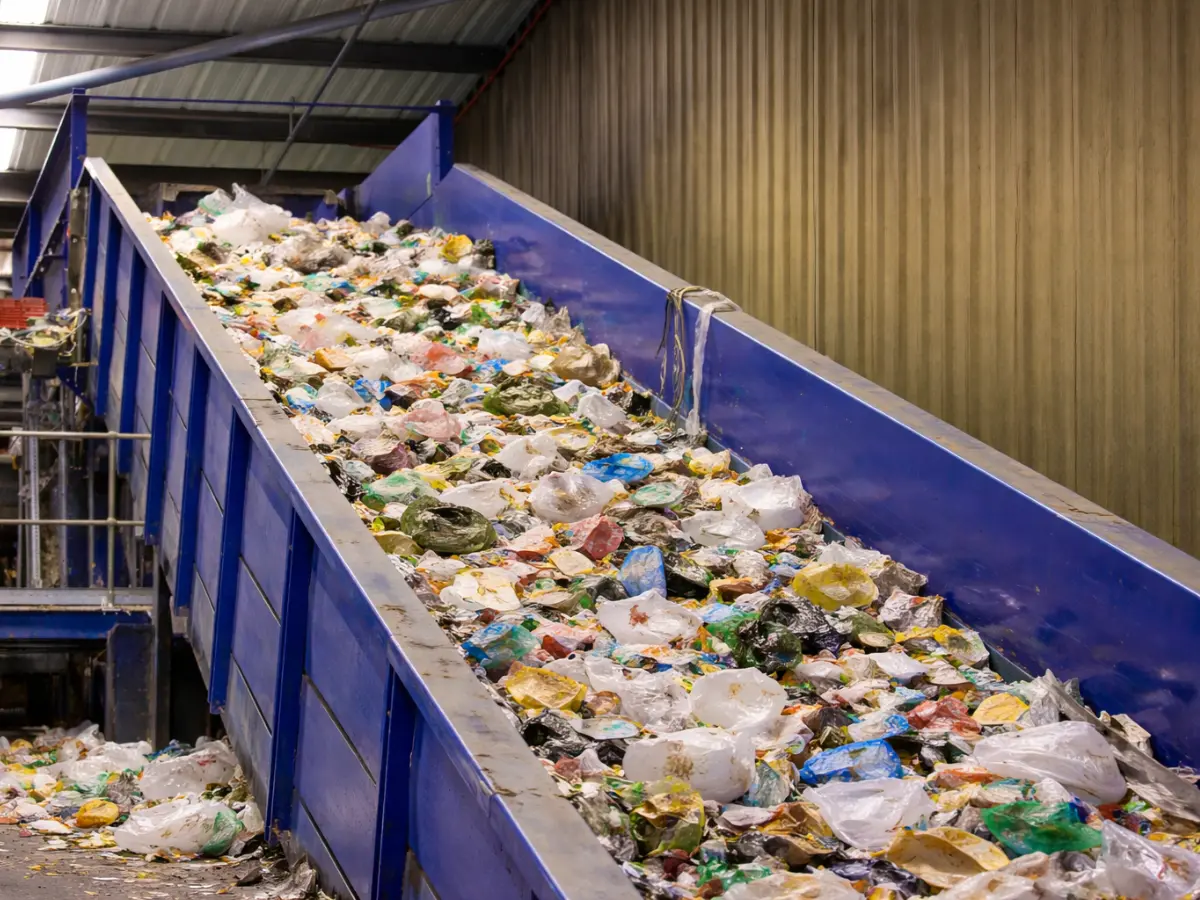
overflowing recycling coveyor belt

Recycling plays a central role in sustainable waste management practices. Separating recyclable materials reduces landfill use and lowers disposal costs.


Effective recycling depends on correct segregation, appropriate bin use and staff awareness. Recycling and reusing materials help reduce the demand for raw resources and support a sustainable future.

Reuse and eco-friendly clearance strategies

Reuse is an often-overlooked strategy in clearance. Furniture, fixtures and packaging materials can often be reused or repurposed rather than discarded.


Upcycling materials reduces waste removal needs and supports effective waste reduction. Recycling and reusing materials together significantly reduces environmental impact.

Managing food waste and organic materials

Food waste is a major contributor to waste generation, particularly in hospitality and retail. Separating food waste from general waste improves recycling outcomes and reduces landfill.


Responsible handling of food waste supports eco-friendly waste disposal and helps businesses reduce waste efficiently while meeting environmental expectations.

Choosing responsible waste disposal methods

Waste disposal methods should be selected based on the type of waste and environmental impact. Responsible waste disposal prioritises recycling and recovery before landfill or incineration.


Eco-friendly waste disposal supports proper waste management and ensures that waste that cannot be reused or recycled is handled responsibly.

How does clearance planning support sustainability?

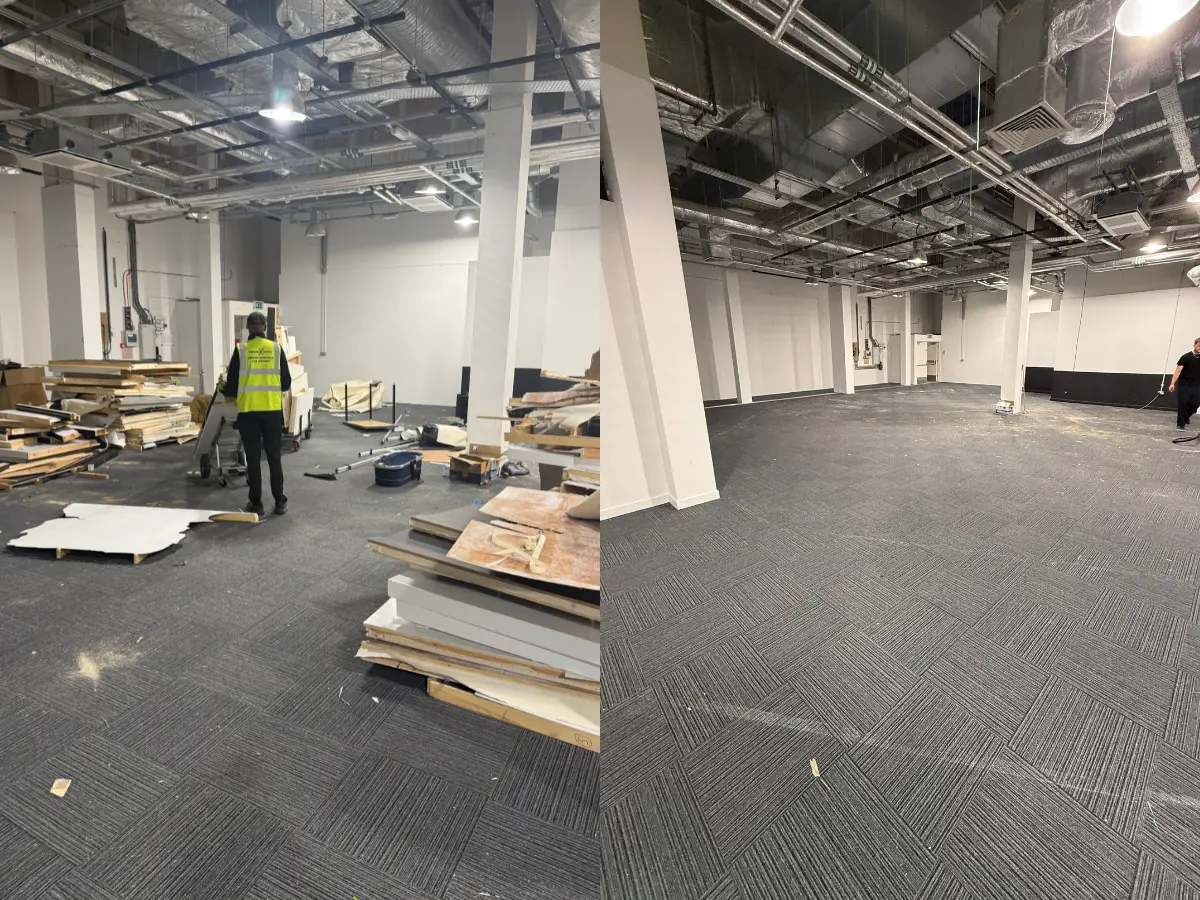
Clearance planning is essential for reducing waste during refurbishments, relocations or operational changes. Poor planning often leads to unnecessary waste.


By integrating sustainable waste management strategies into clearance planning, businesses can significantly reduce waste, improve operational efficiency and lower disposal costs.

The wider environmental impact of waste reduction

Reducing waste has a direct impact on the environment. Lower waste generation means reduced emissions, lower energy consumption and fewer resources extracted.


By reducing commercial waste, companies contribute to a healthier planet and demonstrate a genuine commitment to sustainability that benefits your business long term.

Key things to remember

  • Sustainable commercial clearance focuses on reducing waste, not just removing it
  • Conducting a waste audit helps identify sources of waste and improvement areas
  • Recycling and reusing materials are central to sustainable waste management
  • Proper waste segregation improves recycling and reduces landfill
  • Responsible waste disposal lowers environmental impact and costs
  • Effective waste management supports sustainability and operational efficiency

WasteXpress

Get in touch with our friendly team, we provide accurate quotes within 5 mintues!

Table of Contents

REad more

Need Help or Got a Question?

Get in touch and get a FREE Quote

WasteXpress Logo

© WasteXpress 2026 | All rights reserved | WasteXpress is a trading name of City Care Ltd  –  11137350 |  Environment Agency Number: CBDU495189