
Probate House Clearance: A Step by Step Guide for Executors
Dealing with the death of a loved one can be emotionally challenging, especially when you are responsible for managing their estate. This guide to probate house clearance provides a practical step-by-step guide for every executor, covering everything from probate valuation and legal responsibilities to clearing a property and arranging professional support. Understanding the process can help reduce emotional stress and ensure the estate is managed respectfully and efficiently.

Table of Contents
What is Probate House Clearance?
Probate house clearance is the process of clearing a property after a deceased person passes away. It often involves sorting possessions, arranging a valuation of assets, and preparing the property for sale, transfer, or occupation by a beneficiary.
Unlike a standard clearance, the process of probate house clearance must follow the probate process and consider legal matters connected to the deceased person’s estate. This often requires careful planning and attention to detail.
What Are the Responsibilities of an Executor?
The executor is responsible for managing the deceased person’s estate and ensuring assets are handled according to the deceased’s wishes. This includes identifying assets, notifying relevant authorities, and ensuring outstanding debts are settled.
An executor may also work closely with a solicitor throughout the legal process. Their role is to ensure the estate is administered correctly while meeting all legal obligations and maintaining legal compliance.
Why Is a Valuation Important During Probate?
A valuation helps determine the worth of a person’s estate and is often required before assets can be distributed. Property, jewellery, vehicles, and valuable personal possessions may all require assessment.
A professional valuation is particularly important when calculating inheritance tax. Accurate figures can help avoid disputes between beneficiaries and support the equitable distribution of assets.
When Is the Grant of Probate Required?
The grant of probate is usually required before the executor can access certain assets or complete financial transactions. It gives legal authority to deal with the deceased person’s affairs.
Once issued by the probate registry, the executor can proceed with many aspects of the clearance process, including dealing with possession of property and distributing assets to each beneficiary.
How Should Personal Belongings Be Sorted?

Sorting personal belongings can be one of the most difficult parts of probate house clearance. Many items hold sentimental value, making decisions more emotional than practical.
It is often helpful to organise contents into categories and sort sentimental items separately. Family members should be given time to review specific items before any removal and disposal takes place.
What Happens If There Is No Will?
If a valid will cannot be found, the estate may fall under intestacy rules. In these circumstances, letters of administration may be required instead of a grant of probate.
The process of probate becomes more complex because assets must be distributed according to legal rules rather than personal instructions. Open communication between relatives can help avoid disagreements.
Should You Hire a Professional Probate House Clearance Service?
Many executors choose to hire a professional when managing a large estate or clearing a house filled with belongings. A professional probate house clearance provider can help reduce pressure during an already difficult period.
A professional house clearance company can manage the clearance process respectfully while handling removal and disposal responsibly. This allows family members to focus on more important personal matters.
What Is the Best Approach to Probate House Clearance?
The best approach to probate house clearance involves planning ahead and working methodically. Creating an inventory and identifying valuable items before clearing begins can save time later.
This approach to probate house clearance also ensures the legality of decisions made throughout the process. Careful record keeping helps support transparency and protects the interests of every beneficiary.
How Are Items Removed and Distributed?
After valuables have been assessed and family members have selected keepsakes, the remaining contents can be distributed, donated, or removed. Some items may be suitable for local charities, while others may appeal to potential buyers.
The clearance team should handle the belongings of a deceased with care and respect. Usable items should be managed responsibly wherever possible.
How Can a House Clearance Service Help Executors?
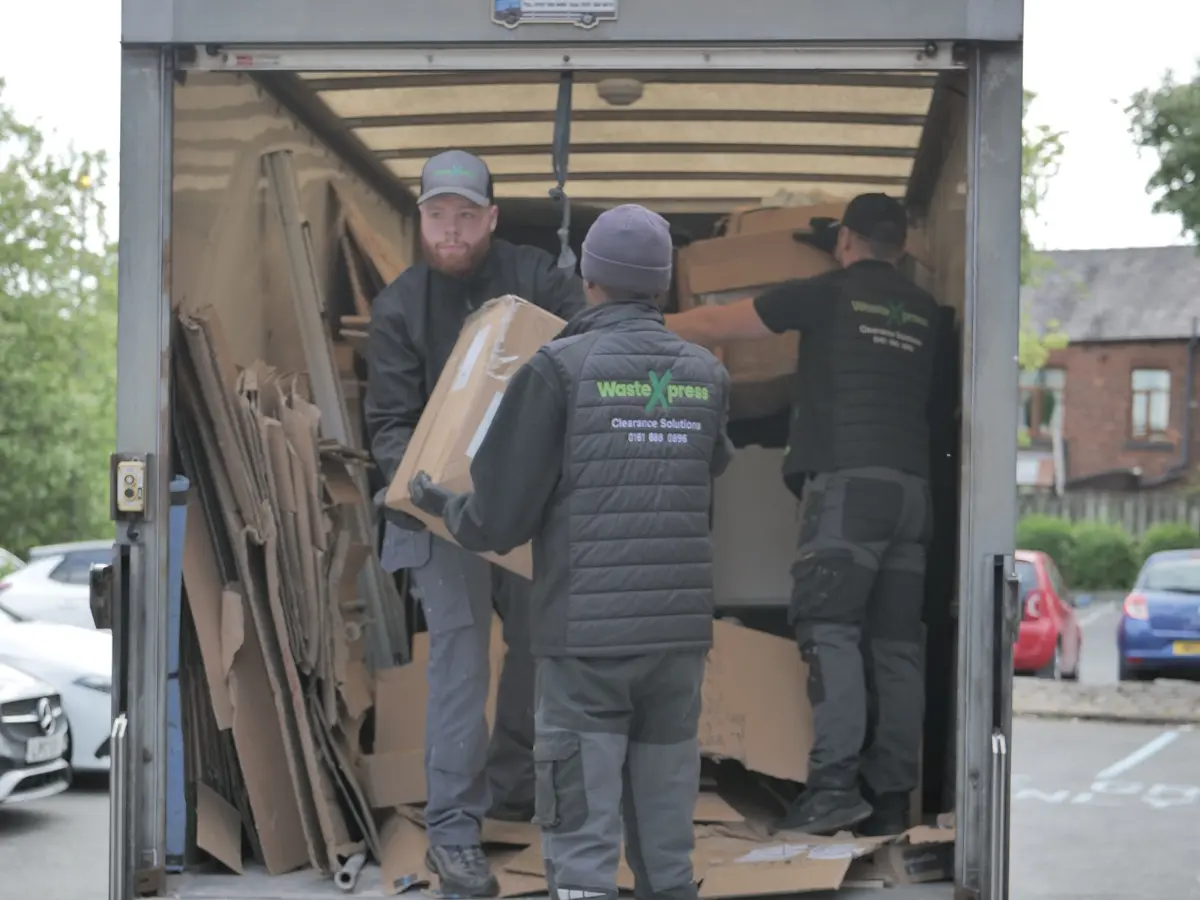
A dedicated house clearance service can make managing the belongings significantly easier. Professional teams can handle removing items, sorting contents, and arranging efficient clearance from start to finish.
Many services provide transparent pricing and tailored support for executors. Whether the probate property is large or small, a professional house clearance service can help minimise emotional stress and simplify the process.
Final Thoughts
Managing the estate of a deceased person involves more than simply clearing a property. From probate valuation and legal matters to possession, inheritance tax, and asset distribution, every stage requires careful consideration.
This guide to probate house clearance is designed to help executors navigate the process confidently. By understanding the legal process, working respectfully with family members, and seeking professional support where needed, the journey becomes more manageable during a difficult time.
Key Things to Remember
- Probate house clearance involves both practical and legal responsibilities.
- The executor is responsible for managing the estate and overseeing the clearance.
- A probate valuation may be needed for inheritance tax purposes.
- The grant of probate provides authority to manage assets.
- Personal belongings should be sorted carefully and sensitively.
- Intestacy rules apply when there is no valid will.
- Professional clearance services can save time and reduce stress.
- Valuable and sentimental items should be identified before clearing begins.
- Open communication helps support fair asset distribution.
- Professional support can ensure an efficient clearance while maintaining care and respect.
WasteXpress
Get in touch with our friendly team, we provide accurate quotes within 5 mintues!
Table of Contents
REad more
Dealing with the death of a loved one can be emotionally challenging, especially when you are responsible for managing their...
Managing a busy gym or training space often means upgrading equipment, relocating sites, or clearing out unused machines. From bulky...
Managing commercial waste correctly is an important part of running any business. From proper waste disposal and recycling to understanding...

Running a food business comes with constant change, from refurbishments to closures and upgrades. Whether you are moving premises, replacing...
