
Moving Out in Manchester? Your End of Tenancy Clearance Guide
Moving out is more than packing boxes. At the end of a tenancy, leaving a property in good condition is vital for tenants, landlords, and even Neighbours. A proper end of tenancy clearance helps return deposits, prevents disputes, and ensures homes are left free from clutter. This guide explains what to bin, what to reuse, and whether skip hire or removal services are better for your move.

Table of Contents
Why End of Tenancy Clearance Matters
What Can Go in Household Bins
Certain everyday items are suitable for general household disposal:
- Food packaging and leftovers.
- Small damaged items like cracked mugs or worn shoes.
- Non-recyclable products such as tissues.
Always check local council rules across Greater Manchester, as waste collection guidelines can differ.
Items That Should Not Be Binned
Some items cannot go into standard bins and require specialist waste clearance, including:
- Hazardous products like paints, oils, or solvents.
- Electricals such as kettles or laptops.
- Large furniture such as wardrobes and mattresses.
- Glass panes or mirrors that may cause harm.
These need recycling centres or professional services.
Reuse and Recovery Before Moving
Moving is an ideal time to donate items rather than throw them away. Local charities across Manchester accept clothing, books, and working appliances. Recovery and reuse reduce environmental impact and make the move more eco-friendly.
Skip Hire or Removal Services?
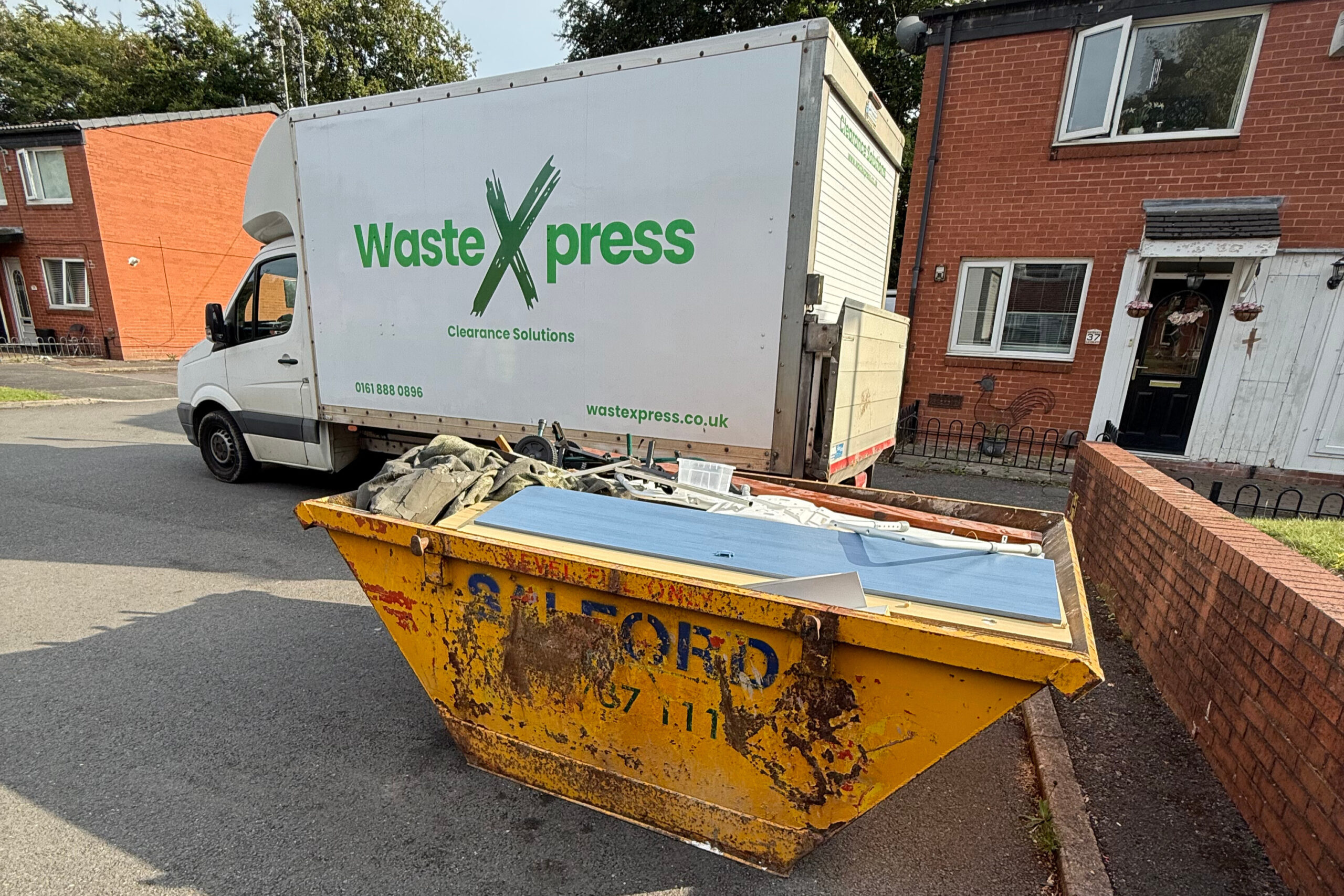
Skip hire is helpful for large scale projects such as:
- Loft or garage clear-outs.
- Renovation debris like tiles or plasterboard.
- Several bulky items from a full house move.
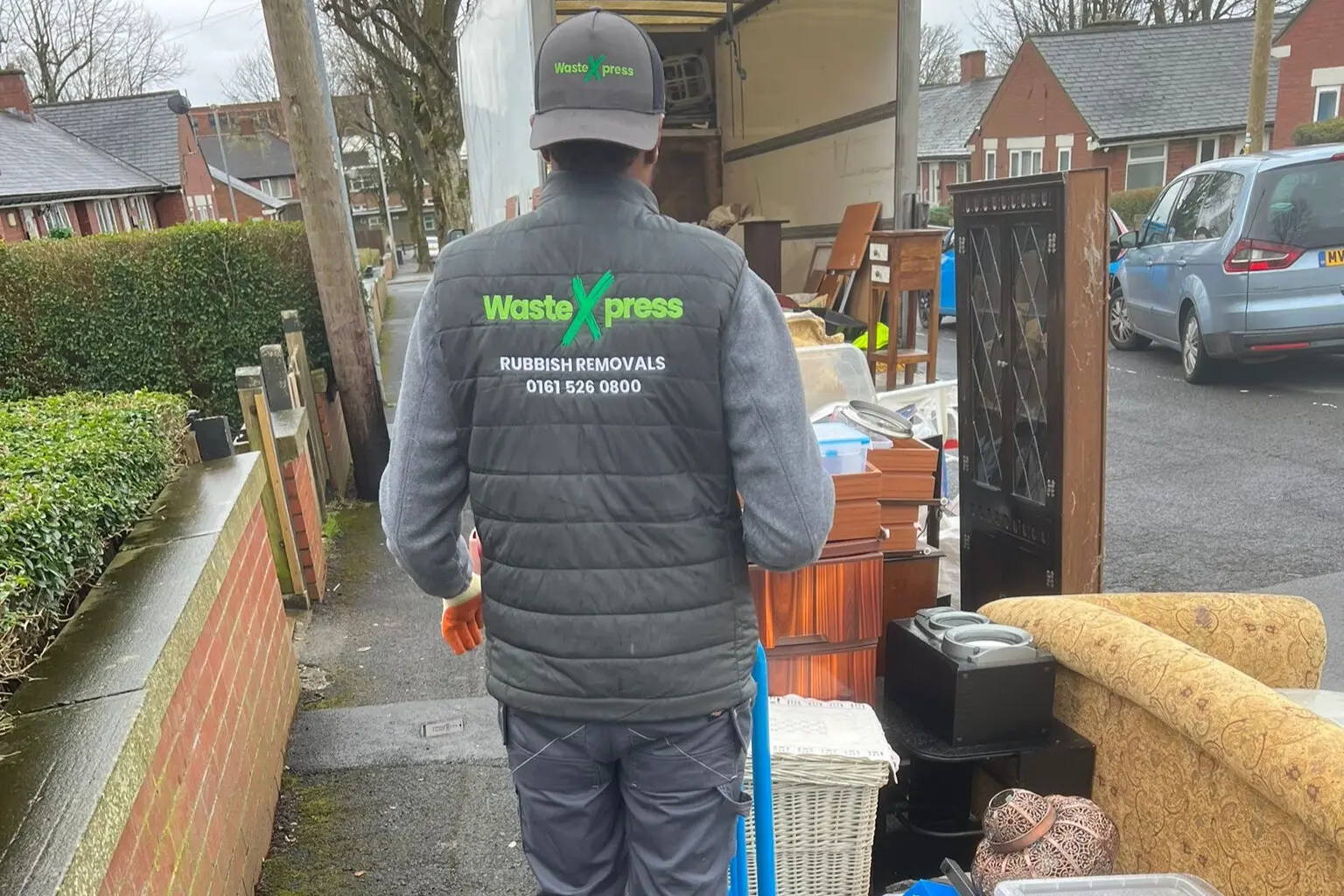
However, skips require space, lifting, and sometimes council permits. A removal service is often the more hassle-free option. With trained teams, everything is carried out for you, efficiently and without permits. Professional waste collection is also fast and efficient, making it ideal for busy tenants or landlords who want a smooth transition.
Room-by-Room Checklist for Moving Out
- Kitchen: Empty cupboards, clean appliances, and set aside jars for reuse.
- Living room: Donate books, dismantle furniture, and remove clutter.
- Bedrooms: Bag clothing for charity, pack belongings, and clear hangers.
- Bathroom: Discard expired toiletries and clean surfaces.
- Garage or loft: Remove stored debris and broken equipment.
- Garden or balcony: Clear pots, green rubbish, and outdoor tools.
Bulky Furniture and Large Items
Hazardous Waste and Special Handling
Flat Clearance in the City Centre
Flat clearance in Manchester’s city centre brings unique challenges such as stairwells, shared bins, and strict building rules. Removal companies can handle heavy furniture and appliances efficiently, reducing disruption for neighbours and building managers.
House Clearance Manchester: Key Tips
- Begin weeks in advance.
- Sort items into reuse, donation, and rubbish piles.
- Consider skip hire for very large volumes.
- Donate working appliances to cut costs and waste.
Both domestic and rental properties benefit from early organisation.
Choosing Property Clearance Services
When selecting clearance services in Manchester, check that the provider is a licensed clearance company offering property clearance services for both domestic and commercial needs. A comprehensive approach ensures an efficient clearance where nothing is left behind. Good providers work efficiently, keep costs transparent, and make the entire process smoother. Affordable packages and competitive pricing are often available, so compare options before booking.
Eco-Friendly and Responsible Disposal
Property Coverage Across Greater Manchester
Tips to Reduce Costs
- Sell valuable items online before moving.
- Share service costs with housemates.
- Book early to avoid last-minute fees.
- Sort items into rubbish, recovery, and donation piles.
- Ask for a consultation to plan services that fit your needs.
FAQs About Moving Out
– Not always. Skips help with large scale projects, but removal services are often hassle-free, as they don’t require permits or lifting.
Can electricals go into bins?
– No. Appliances should go to specialist recycling points.
How do I handle hazardous items?
– Take them to council sites or arrange safe collection with licensed carriers.
What happens if items are left behind?
– Landlords may deduct costs for cleaning service or removal from your deposit.
Final Thoughts
WasteXpress
Get in touch with our friendly team, we provide accurate quotes within 5 mintues!
Table of Contents
REad more
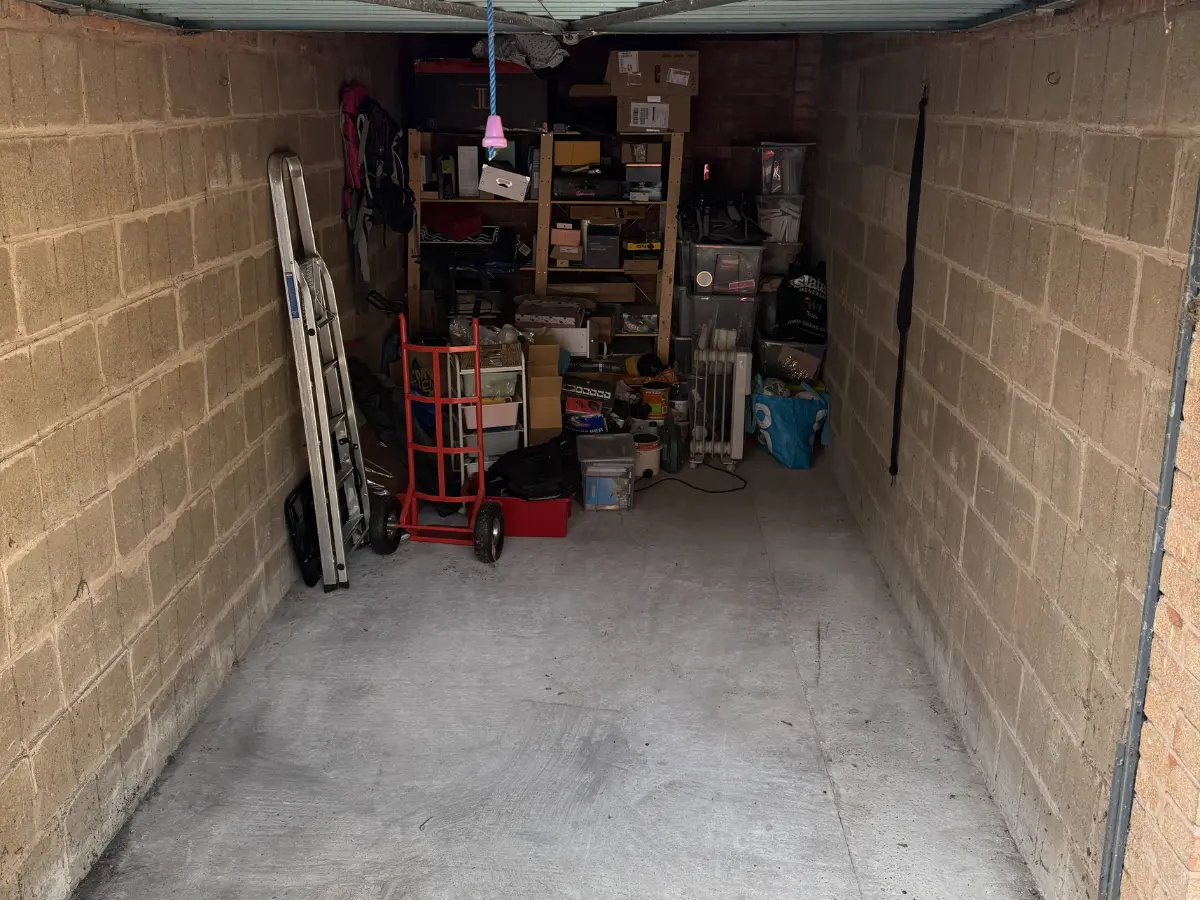
Whether you're moving premises, ending a self storage rental, or simply clearing out your storage, tackling a packed storage unit...
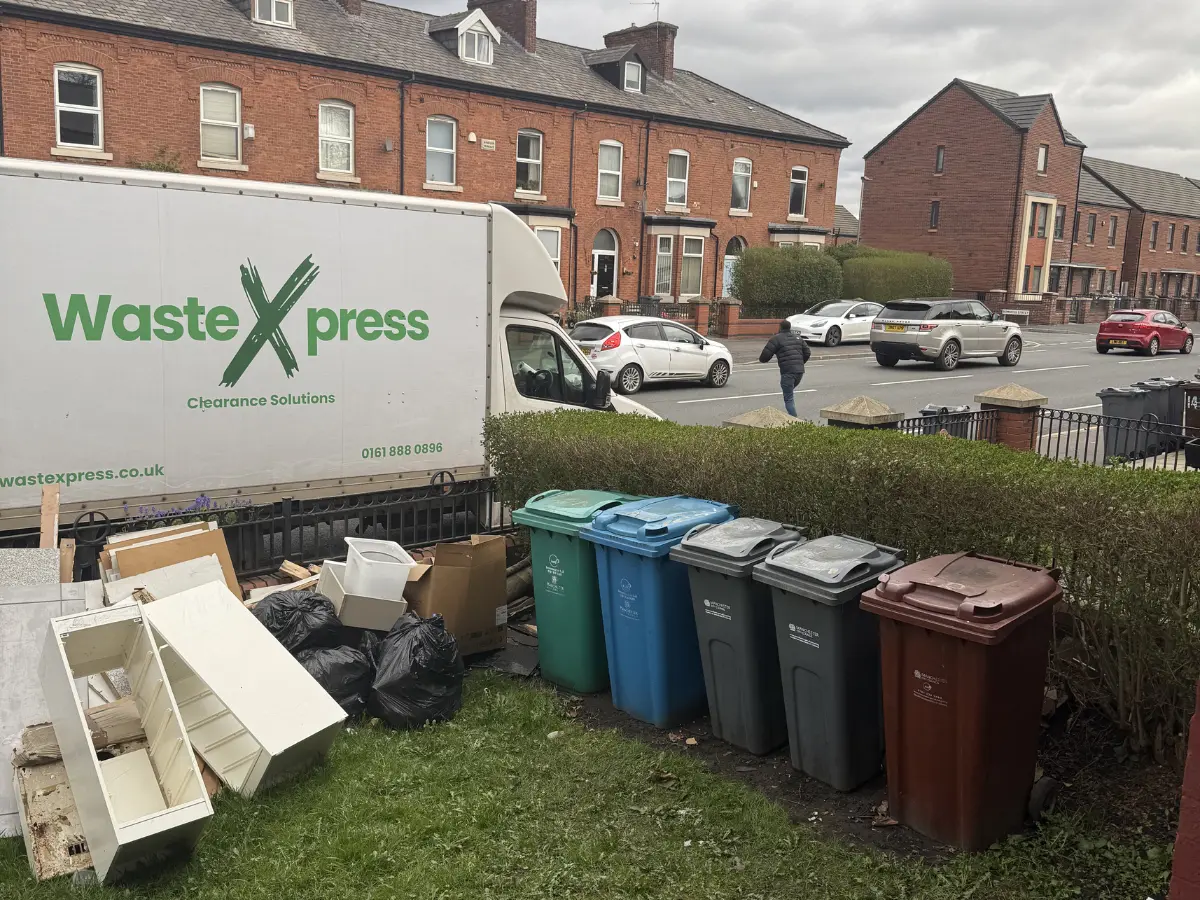
Whether you're preparing a property for sale, dealing with a bereavement, moving home, or simply decluttering, arranging a house clearance...
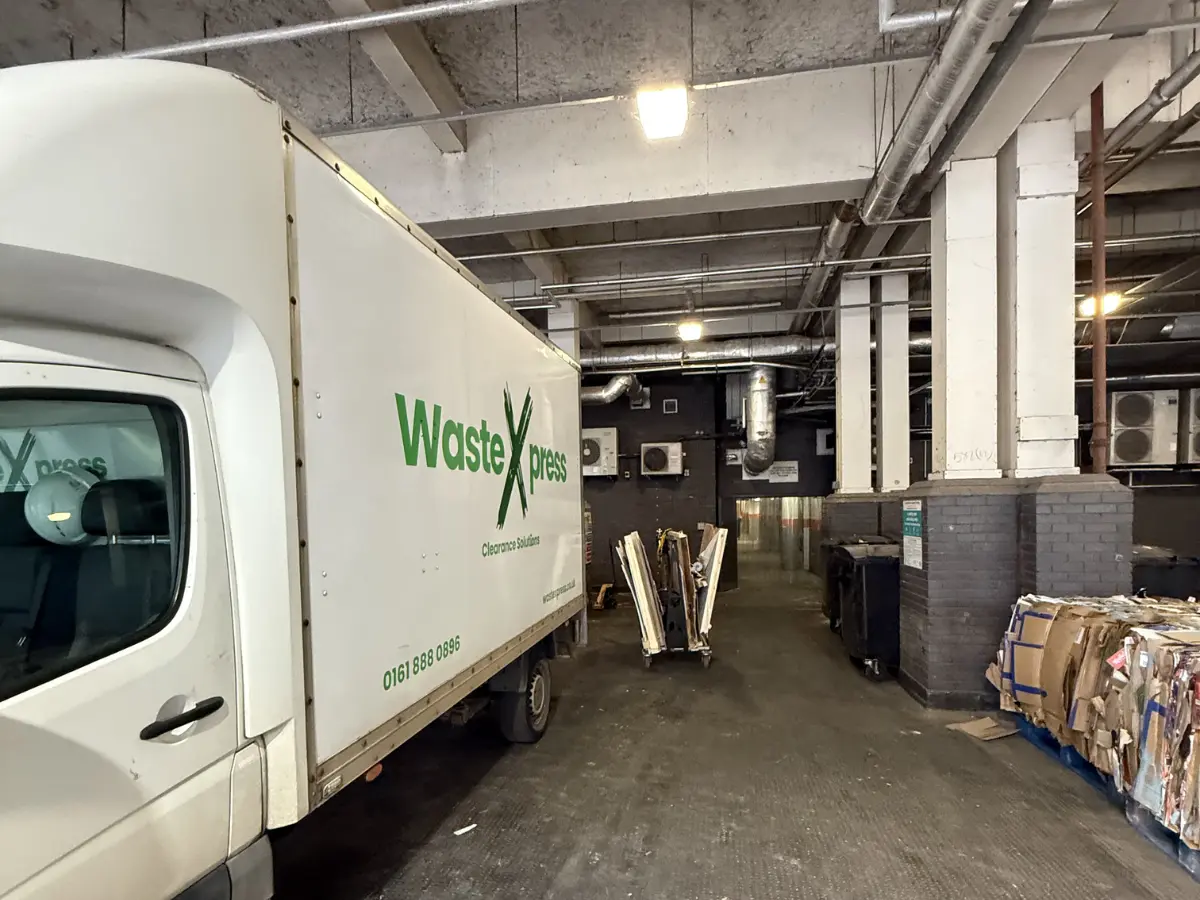
Every business that produces business waste has a legal duty of care to ensure it is handled correctly. Whether you...
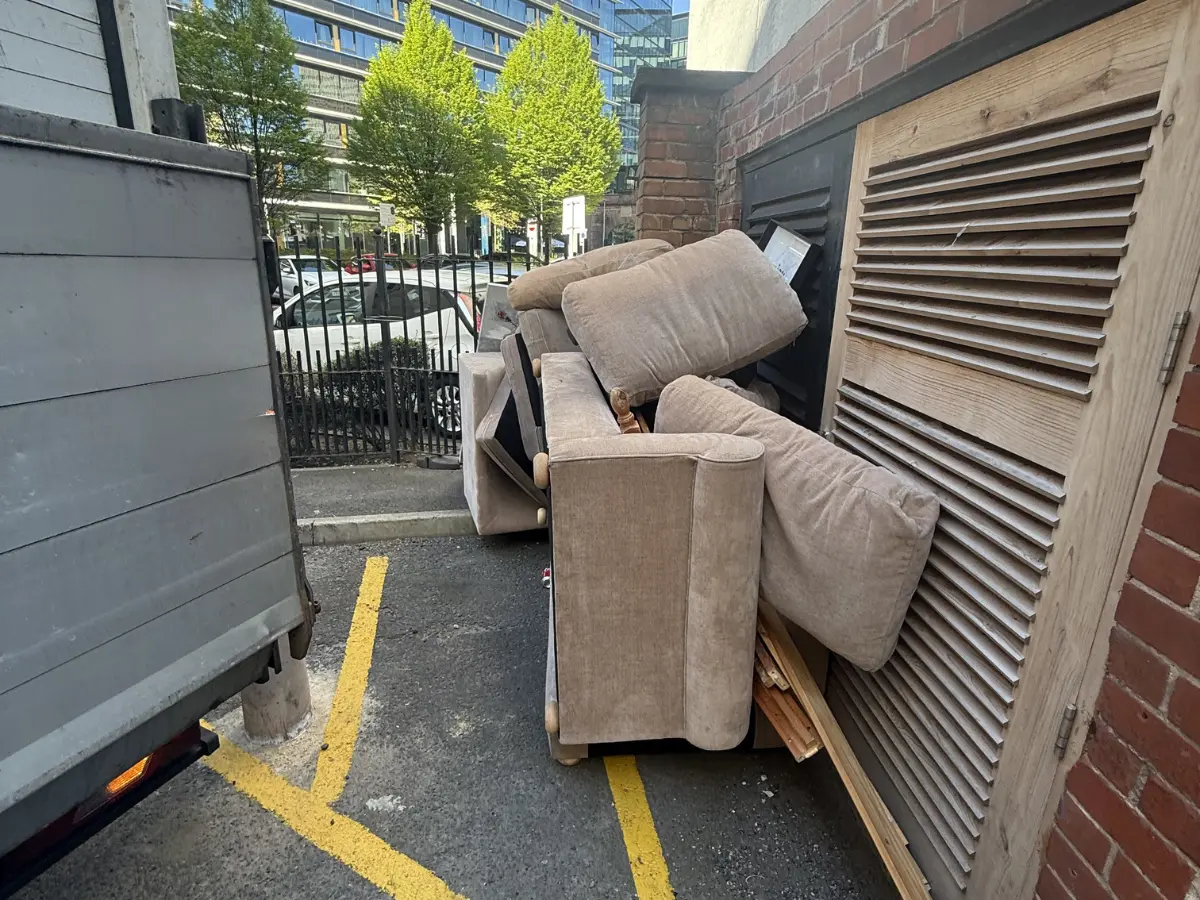
Getting rid of an old sofa isn't always straightforward. Whether you're replacing worn-out furniture, moving home, or clearing unwanted items,...
