
How to Recycle Electrical Items Safely: Understanding WEEE and Electrical Waste
When clearing a property, many people wonder what happens to each electrical item and how to recycle them correctly. Electrical waste is regulated under WEEE rules, meaning items cannot simply be thrown into a bin. This guide explains how electricals are handled, where they go, and why proper recycling matters. By reading this, you will understand how to dispose of correctly, protect the environment, and stay compliant.
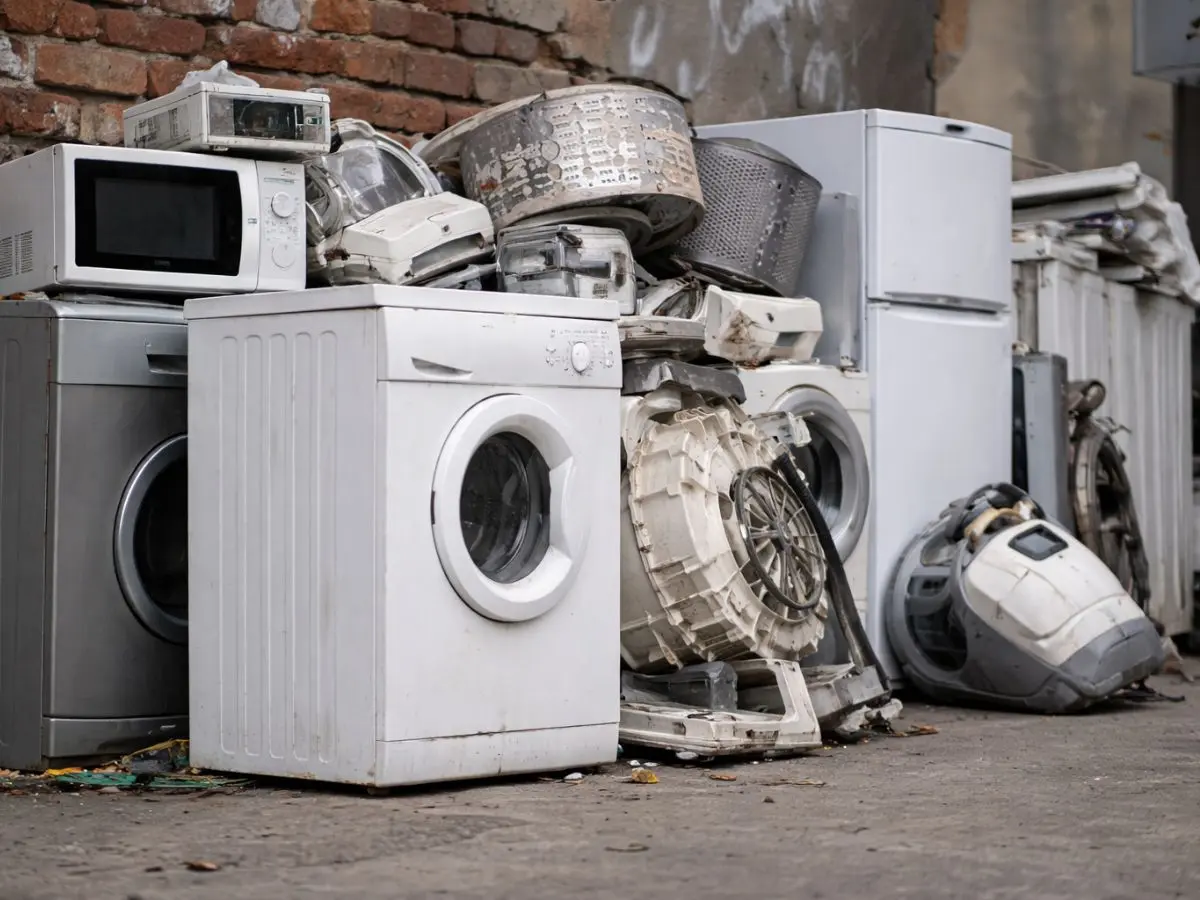
Table of Contents
Article outline
Below is a complete breakdown of how electrical items, WEEE regulations, and recycling processes work when handling electricals during clearance.
What is WEEE and why does it matter for electrical waste?
WEEE stands for waste electrical and electronic equipment, a term used to classify items like laptops, televisions, and kitchen appliances. These regulations ensure that waste electrical and electronic items are handled correctly.
The WEEE regulations 2013 were introduced to reduce the environmental harm caused by electronic waste. They require that electrical items are processed correctly and kept out of landfill.
What counts as an electrical item during clearance?
An electrical item includes anything powered by electricity or battery, such as a fridge, freezer, laptop, or mobile phones. Even small electronics like a toaster or iron fall under this category.
Many people do not realise how many electricals they own. From televisions and tablets to consoles and smartphones, these items may contain hazardous components that require proper handling.
Can you recycle electrical items instead of throwing them away?
Yes, you can recycle your old electrical goods rather than discard them. Most items can be taken to a recycling centre or recycling point managed by your local council.
Recycling schemes across the UK allow household users to recycle electrical items safely. This prevents them from being thrown into general waste and causing contamination.
What happens to unwanted electrical items after collection?
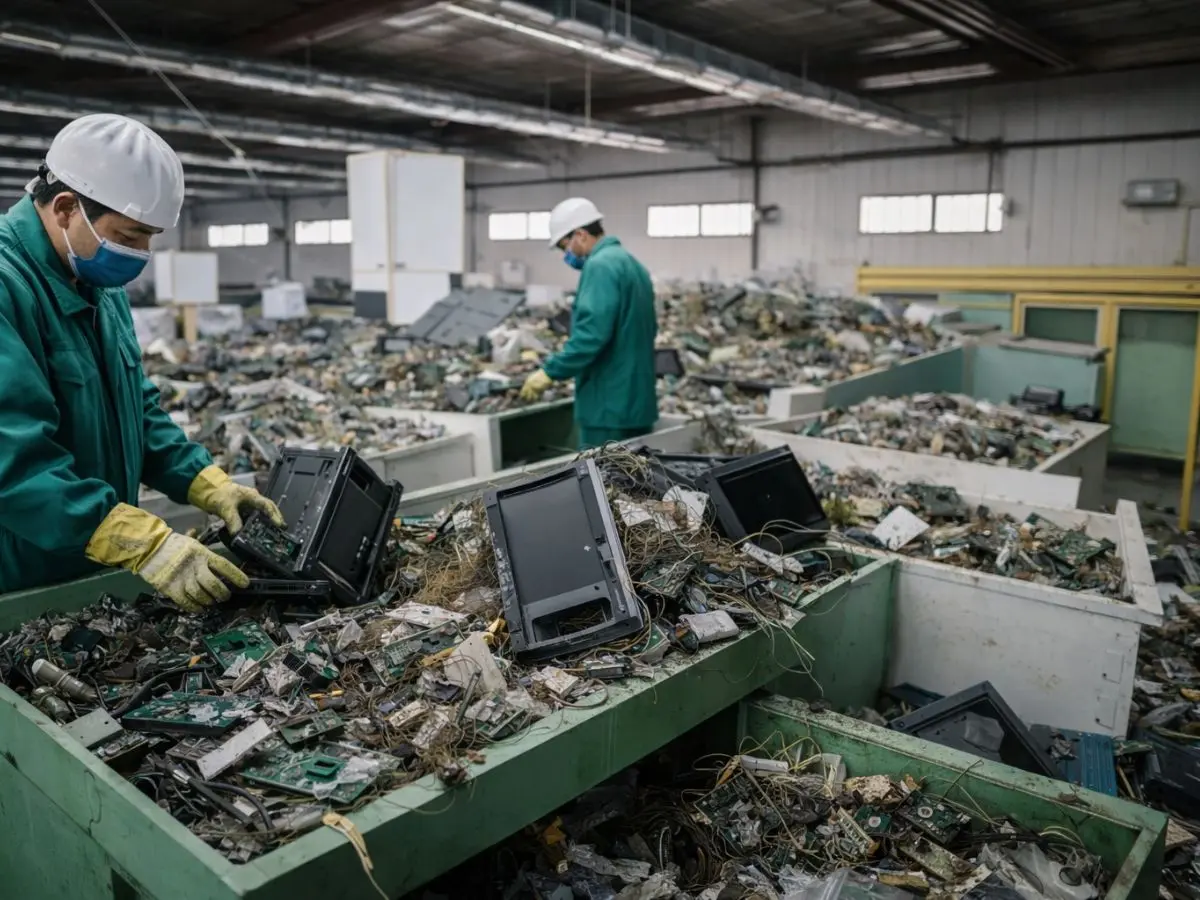
Once collected, unwanted electrical items are transported to a reprocessing plant. Here, they are sorted and dismantled to separate plastic, ferrous metals, and other materials.
Magnets are often used to extract ferrous metals, while other components are processed for reuse. This ensures that electrical items are processed efficiently and materials can be reused in new products.
Can electrical items be reused instead of recycled?
If an appliance is still in working order, it may be suitable for reuse or re-use. Items can be donated to charity or passed to local organisations.
Many charity groups accept electrical appliances, especially if they are unused or still functional. This reduces waste and supports communities at the same time.
Where can you dispose of electrical waste safely?
You can dispose of electrical items at a recycling centre, a designated recycling point, or through council collection services. Many councils provide guidance based on your postcode.
Some retailers also offer take-back schemes, allowing you to return an old one when purchasing new products. This makes disposing of electrical items easier and more accessible.
Why are electrical items considered hazardous waste?
Electrical items can be hazardous because it may contain harmful substances such as batteries or chemicals. Improper disposal can lead to environmental damage and risks to human health.
For example, a faulty appliance or battery can leak substances that contaminate soil and water. This is why electrical and electronic waste must be handled responsibly.
What role does the Environment Agency play?
The Environment Agency oversees the handling of waste electrical and electronic equipment in the UK. They ensure that organisations comply with regulations and manage waste responsibly.
The Environment Agency’s guidelines help businesses and individuals understand their duty of care when disposing of electrical items.
Can electrical waste go into a general bin?
No, electrical items should never be thrown into a general bin. Doing so is against regulations and contributes to a growing problem in the UK.
When electricals are disposed improperly, they often end up in landfill, contributing to millions of tonnes of waste each year. This increases environmental impact and wastes valuable resources.
How are electrical items transported and processed?
Electrical items are collected and transported using approved methods to ensure safety. Special transport is often required for large appliances like a fridge or freezer.
At processing facilities, items are dismantled into components. Plastic, metals, and other materials are separated for recycling or reuse.
What is the easiest way to recycle electrical items?
The easiest way is to find your nearest recycling centre or recycling locator using your postcode. This helps you quickly identify where to take items.
Many retailers also offer in-store recycling options, making it simple to recycle electrical goods when upgrading to newer models.
Key things to remember about electrical waste
- Electrical items must not be thrown into a general bin
- WEEE regulations ensure electronic waste is handled responsibly
- Most items can be recycled at a recycling centre or recycling point
- Reuse is possible if items are still in working order
- Electrical items may contain hazardous materials
- Proper recycling helps reduce landfill and environmental harm
- Retailer take-back schemes make disposal easier
Understanding how to recycle electrical items ensures you manage waste responsibly, stay compliant, and help reduce the impact of electronic waste in the UK.
WasteXpress
Get in touch with our friendly team, we provide accurate quotes within 5 mintues!
Table of Contents
REad more
A legitimate rubbish removal company should prove it can carry waste legally, explain where rubbish goes and provide the right...
When you have waste to clear, the choice often comes down to rubbish removal vs skip hire. Both can work...
The cost of rubbish removal in Manchester depends on several factors, including how much waste needs collecting, the type of...
Using the wrong company to remove rubbish can create far bigger problems than an untidy driveway. If you use an...