
What Happens If You Use an Unlicensed Waste Carrier?
Using the wrong company to remove rubbish can create far bigger problems than an untidy driveway. If you use an unlicensed waste carrier, your waste may be handled illegally, fly-tipped or traced back to you.
This guide explains what happens if you use an unlicensed operator, the risks involved, how UK law applies and how to check if a waste carrier is properly registered before handing over your rubbish.
Table of Contents
What Are Waste Carriers and Why Do They Need a Licence?
Waste carriers are businesses or individuals that collect, transport and dispose of waste on behalf of other people. This can include household rubbish, commercial waste, furniture, construction waste and materials collected as part of a clearance.
In most cases, an operator transporting waste must be registered with the Environment Agency. A valid waste carrier licence helps demonstrate that the business is operating legitimately and understands its responsibilities around waste disposal.
The rules apply whether you are a homeowner arranging a clearance or a business organising regular waste removal.
What Happens If You Use an Unlicensed Waste Carrier?
If you use an unlicensed waste carrier, there is a greater risk that your rubbish will not reach a legitimate waste facility. An unlicensed carrier may try to reduce costs by disposing of waste illegally rather than paying the appropriate recycling or disposal charges.
The problem is that your responsibility does not necessarily end when the waste leaves your property. If identifiable items are found fly-tipped, authorities may investigate where they came from and how the waste was removed.
Using an unlicensed waste carrier can therefore lead to serious financial, legal and environmental problems.
Can You Be Fined If Your Waste Is Fly-Tipped?
Potentially, yes. Householders and businesses have a duty of care when arranging waste removal. You should take reasonable steps to make sure your waste is handed to an authorised operator.
If waste is fly-tipped and traced back to your property, you could face questions about whether you failed to ensure that the carrier was legitimate. Depending on the circumstances, improper disposal can lead to enforcement action or a fine.
This is why choosing a cheap operator without making basic checks can create a significant legal risk.
What Are the Risks of Using Unlicensed Waste Carriers?
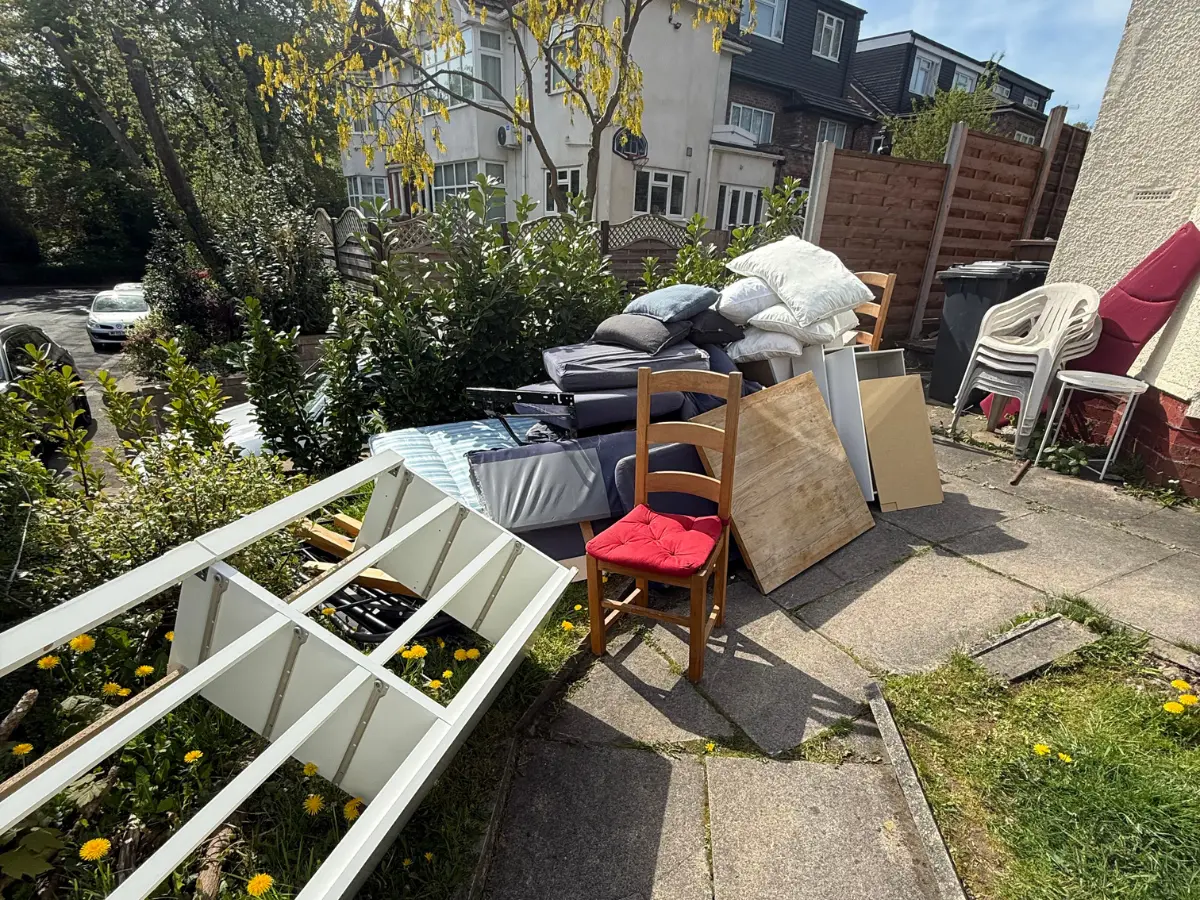
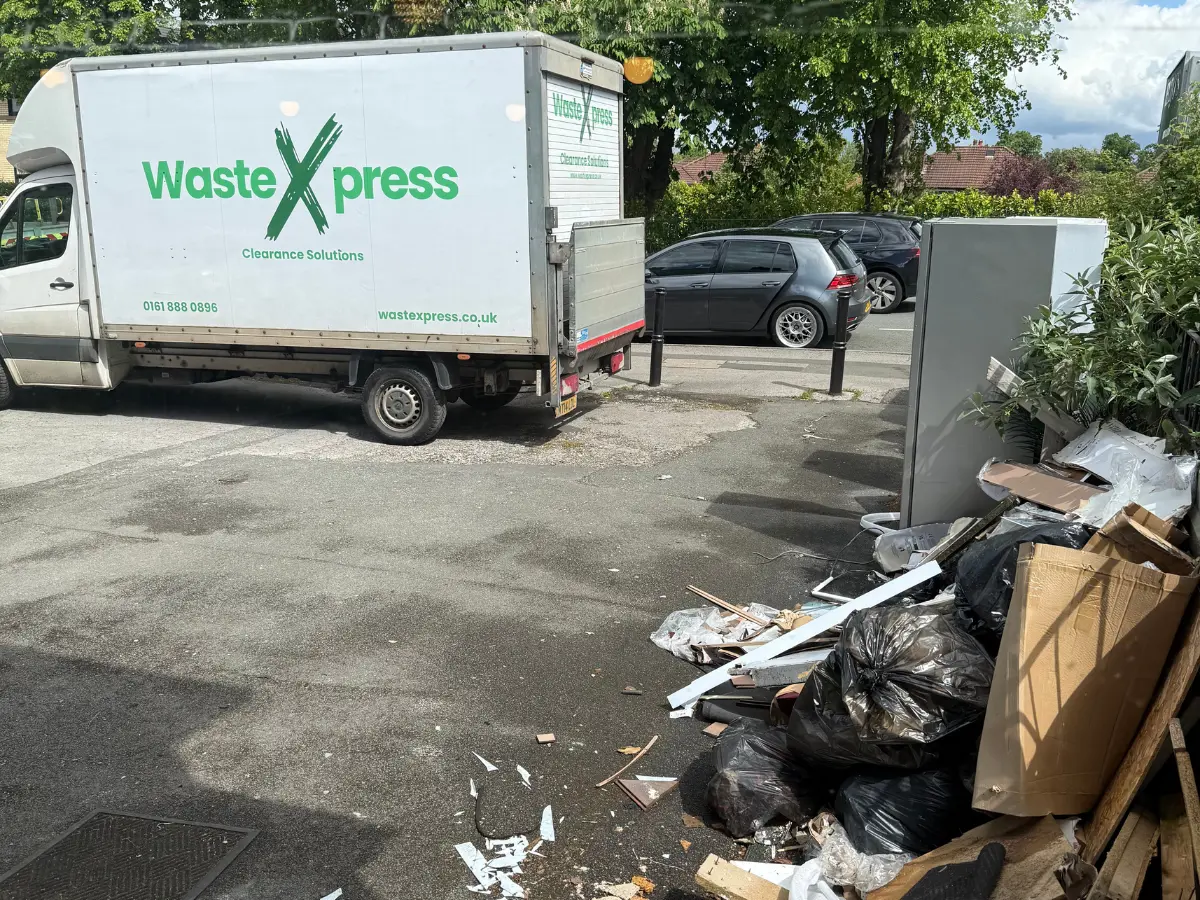
The risks of using unlicensed waste carriers go beyond possible fines. Waste can be dumped in country lanes, industrial estates, lay-bys or other unauthorised locations, creating clean-up costs and environmental consequences.
Unlicensed operators may also provide no receipt, no waste transfer information and no clear explanation of where they dispose of waste. Once your belongings have been loaded, you may have very little evidence showing what happened next.
For businesses in particular, poor waste management can also affect compliance records and reputation.
What Is Your Duty of Care Under UK Law?
Under UK law, waste producers have responsibilities for ensuring that their waste is handled correctly. The Environmental Protection Act 1990 established important duty of care requirements around the storage, transfer and disposal of waste.
In practical terms, you should take reasonable measures to ensure waste is handled by an authorised person and disposed of legally. This applies even after it leaves your property.
For commercial waste, businesses should also maintain appropriate waste transfer records to show how and where the material was passed on.
What Is a Waste Transfer Note?
A waste transfer note records the movement of waste from one party to another. For businesses, this forms an important part of demonstrating responsible waste disposal.
The document typically identifies the parties involved, describes the waste and records the transfer. A reputable operator dealing with commercial waste should be able to explain what documentation will be provided.
Keeping waste transfer records can help protect you from fines by demonstrating that you took reasonable steps when arranging waste disposal.
How Do You Check If a Waste Carrier Is Properly Registered?
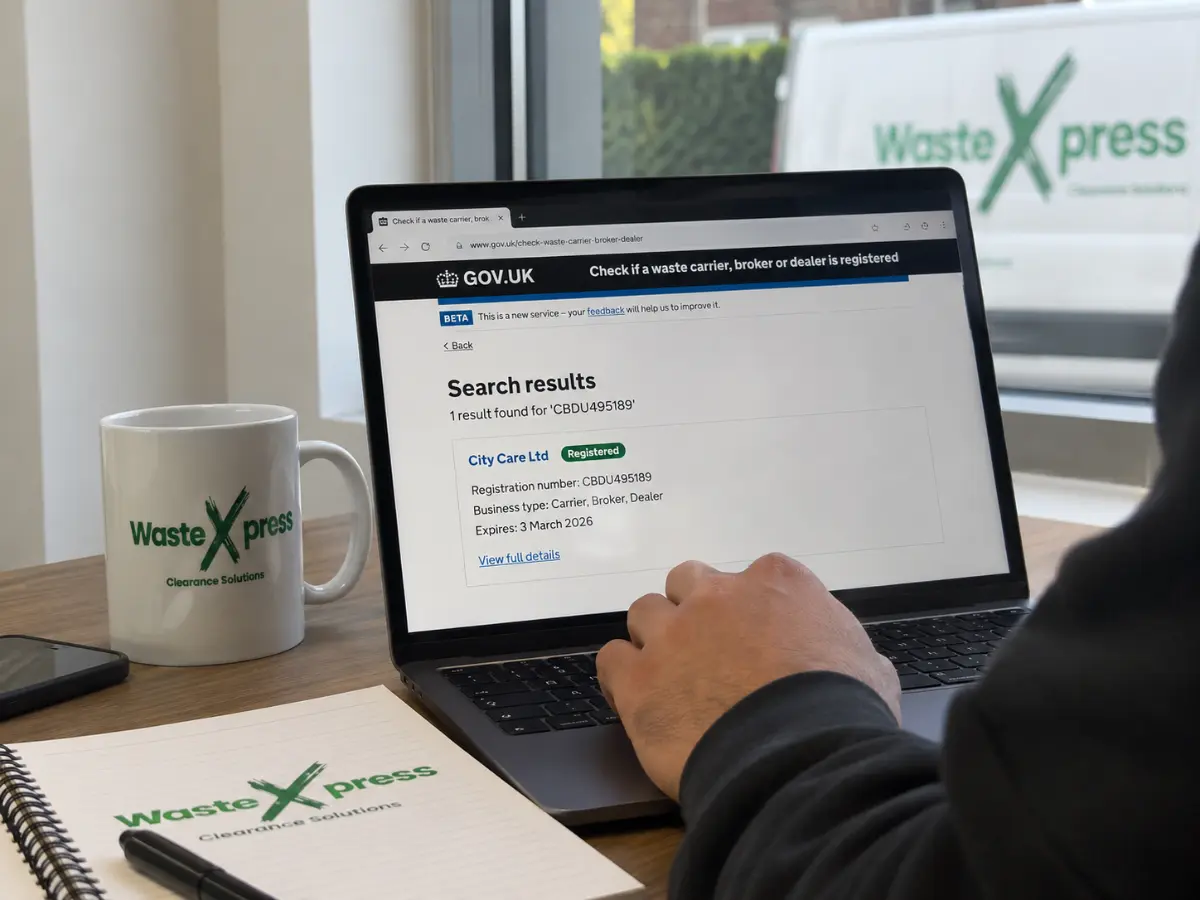
Before allowing anyone to collect your waste, ask for their waste carrier licence details. You can check whether the business is registered with the Environment Agency rather than simply accepting a claim that they are “licensed”.
The operator should be comfortable providing its registration information. If someone avoids the question, cannot provide details or tells you that a carrier licence is unnecessary, treat this as a warning sign.
A legitimate waste company should also be able to explain where your rubbish is going and how recycling and disposal are managed.
What Are the Red Flags to Watch For?
There are several red flags to watch when choosing waste carriers. Extremely low prices can be a warning sign if they appear unrealistic compared with legitimate waste disposal costs.
Be cautious if an operator:
- refuses to provide waste carrier details
- only accepts cash and provides no receipt
- cannot explain where the waste will be taken
- has no identifiable business information
- encourages you to leave rubbish outside without documentation
- avoids questions about recycling or disposal
Unlicensed operators may appear cheaper because they are avoiding legitimate transport, recycling and disposal charges.
Why Is Fly-Tipping More Than Just a Legal Issue?
Fly-tipping is not only a legal issue—it also causes serious environmental impact. Illegally dumped furniture, plastics, electrical goods and construction waste can damage local spaces and create risks for wildlife and communities.
Local authorities and landowners may then have to pay to remove fly-tipped waste. Materials that could have gone through recycling facilities may instead be abandoned or sent through improper disposal routes.
Choosing licensed waste carriers supports environmental responsibility by increasing the chance that reusable and recyclable materials are dealt with responsibly.
Should You Always Use a Licensed Waste Carrier?
Yes. For most household and commercial clearance work, you should use a licensed waste carrier and confirm their registration before collection.
Licensed waste carriers should be able to explain how they transport, recycle and dispose of waste. They should also provide suitable paperwork where required. This gives homeowners and businesses greater peace of mind that their rubbish is being handled through legitimate waste routes.
Whether you are arranging skip hire in the UK, a house clearance, office clearance or general rubbish removal, making this quick check can protect you from fines and unnecessary legal trouble.
How Can You Protect Yourself Legally When Arranging Waste Removal?
Start by checking the operator’s registration before the waste is collected. Ask to see the relevant carrier licence information and keep a receipt or written confirmation of the job.
For business waste, make sure you receive a waste transfer note and retain it with your records. You should also confirm whether the provider uses authorised recycling facilities or transfer stations.
Choosing a trusted provider like WasteXpress means you can ask clear questions about where your waste is going and how it will be handled before agreeing to the collection.
Important Things to Remember
- Always check that waste carriers are registered with the Environment Agency.
- Do not assume your responsibility ends when rubbish leaves your property.
- Waste found fly-tipped may be traced back through identifiable items.
- Using unlicensed waste carriers can expose you to legal and financial risk.
- Ask for a receipt and relevant waste transfer documentation.
- Be suspicious of unusually cheap waste removal with no explanation of disposal routes.
- Businesses should keep waste transfer records for commercial waste.
- Choose licensed providers that prioritise reuse, recycling and lawful disposal.
WasteXpress
Get in touch with our friendly team, we provide accurate quotes within 5 mintues!
Table of Contents
REad more
When you have waste to clear, the choice often comes down to rubbish removal vs skip hire. Both can work...
The cost of rubbish removal in Manchester depends on several factors, including how much waste needs collecting, the type of...
Using the wrong company to remove rubbish can create far bigger problems than an untidy driveway. If you use an...
A house clearance can be needed after a move, bereavement, probate case, tenancy change or major decluttering project. This guide...