

How to Reuse and Dispose of Soil and Rubble After Garden Work
After completing a garden makeover, patio installation, driveway replacement, or other landscaping projects, many homeowners are left wondering what to do with piles of soil and rubble. Knowing how to dispose of materials correctly can save money, reduce environmental impact, and help you avoid unnecessary trips to waste facilities.
This guide explains the best ways to reuse, recycle, and manage garden waste, whether you have a few wheelbarrow loads or large quantities from a major garden project.
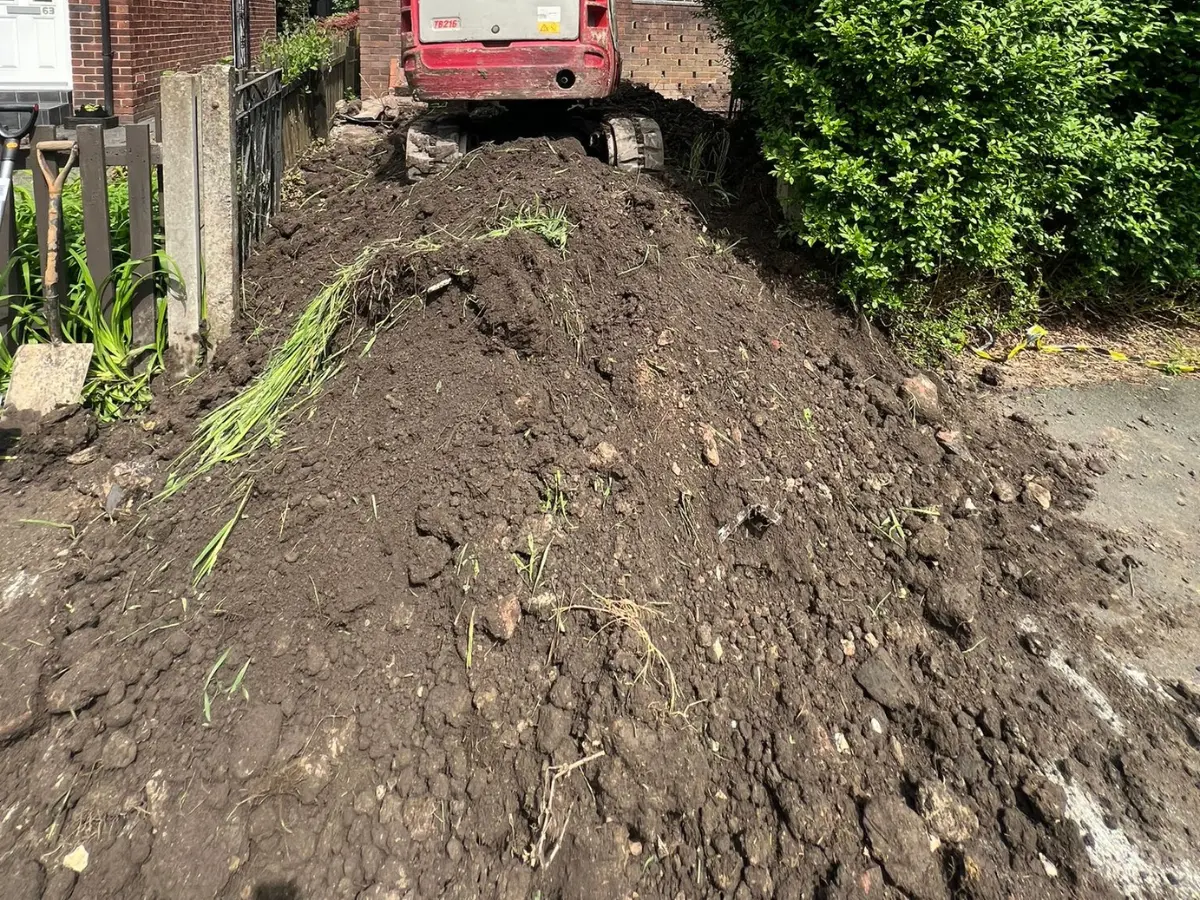
Table of Contents
What Counts as Soil and Rubble After Garden Work?
Most garden jobs generate a mixture of excess soil, stones, broken brick, concrete, turf, and other materials. These waste streams often need to be separated before disposal.
The amount of material can vary significantly depending on the size of the project. A simple border renovation may leave a small amount of soil, while larger projects, such as a driveway or patio installation, can create substantial volumes.
Can You Reuse Excess Soil in the Garden?
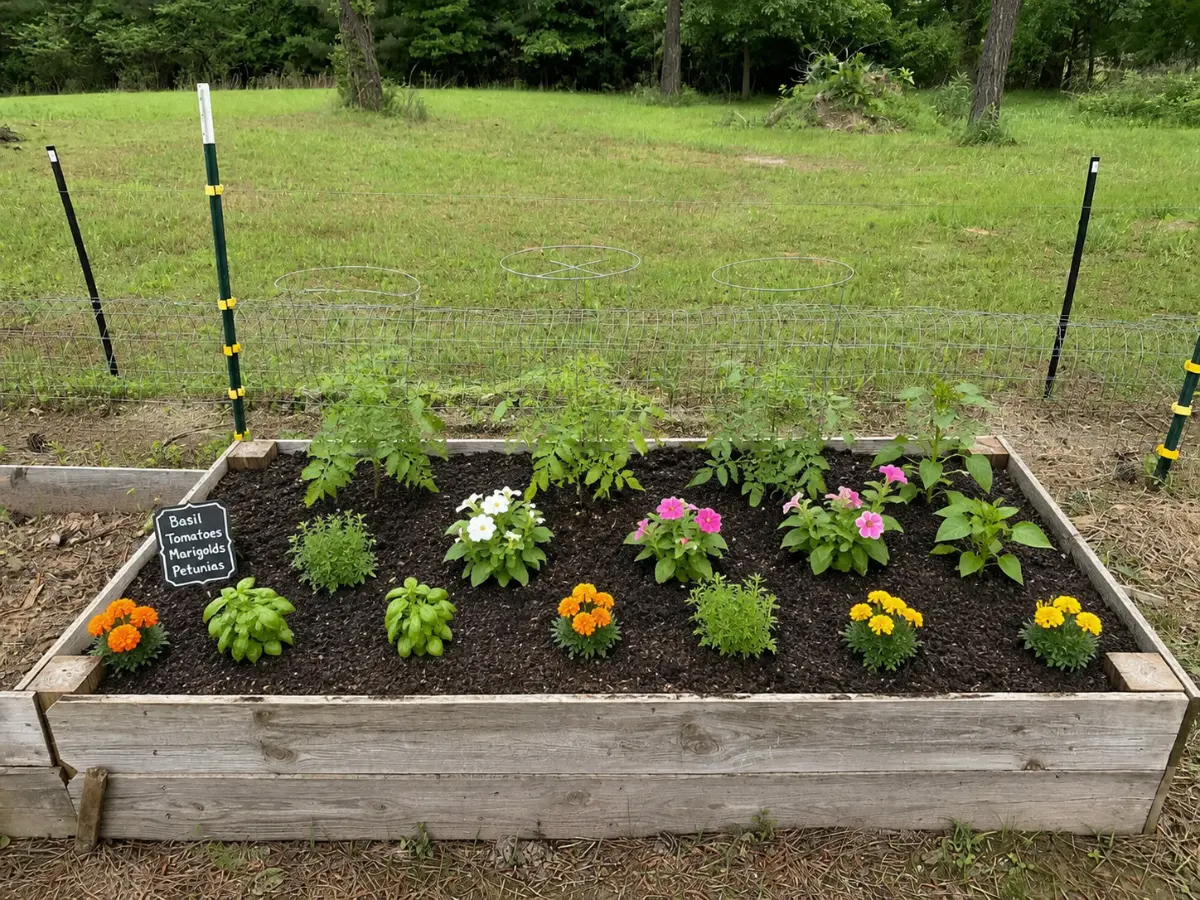
One of the best options is to reuse excess soil within your own garden. If the material is of decent quality, it can be used for flowerbeds, levelling uneven ground, or building raised beds.
Many homeowners also spread soil around lawns and planting areas to improve growing conditions. Before doing so, assess the type of soil and ensure it is suitable for growing plants.
Adding organic matter and well-rotted compost can further improve soil quality and make it more useful around the property.
Can Excess Soil Be Given Away?
If you have more material than you need, consider offering soil for free to neighbours, local gardeners, or community groups.
You can advertise it online through platforms such as Facebook Marketplace or Freecycle. Many people undertaking their own diy project may happily take it off your hands.
This is often a great way to get rid of soil while ensuring it continues to be used productively rather than going to waste.
What About Composting Garden Waste?
Not all garden waste should be treated the same way. Green materials such as grass cuttings, leaves, and prunings can often be added to a compost heap.
The composting process creates nutrient-rich material that can later be reused in the garden. Combining green materials with suitable brown materials can improve decomposition and reduce waste.
However, materials such as rubble, concrete, and soil cannot normally be composted and require alternative disposal methods.
Can Soil and Rubble Be Taken to a Recycling Centre?
Many local authorities allow residents to take small amounts of soil and debris to a recycling centre or waste recycling centre.
Before travelling, check what your local councils accept. Some sites limit the amount of construction-related material that can be deposited, and charges may apply.
A household waste recycling facility may accept certain inert materials, but rules vary depending on location. Contact your local tip beforehand to avoid disappointment.
Is Skip Hire a Good Option?
For medium-sized jobs, skip hire is often the simplest solution. A skip allows you to collect materials in one place rather than making multiple trips to disposal facilities.
When considering skip hire, ensure the chosen container is suitable for heavy materials such as soil and debris. A 6-yard skip is commonly used for landscaping work, while an 8-yard option may suit larger volumes.
Many skip hire services offer guidance on what can and cannot be placed in the skip. Certain items, including plasterboard and asbestos, may require separate disposal arrangements.
When Are Grab Lorries Better Than a Skip?
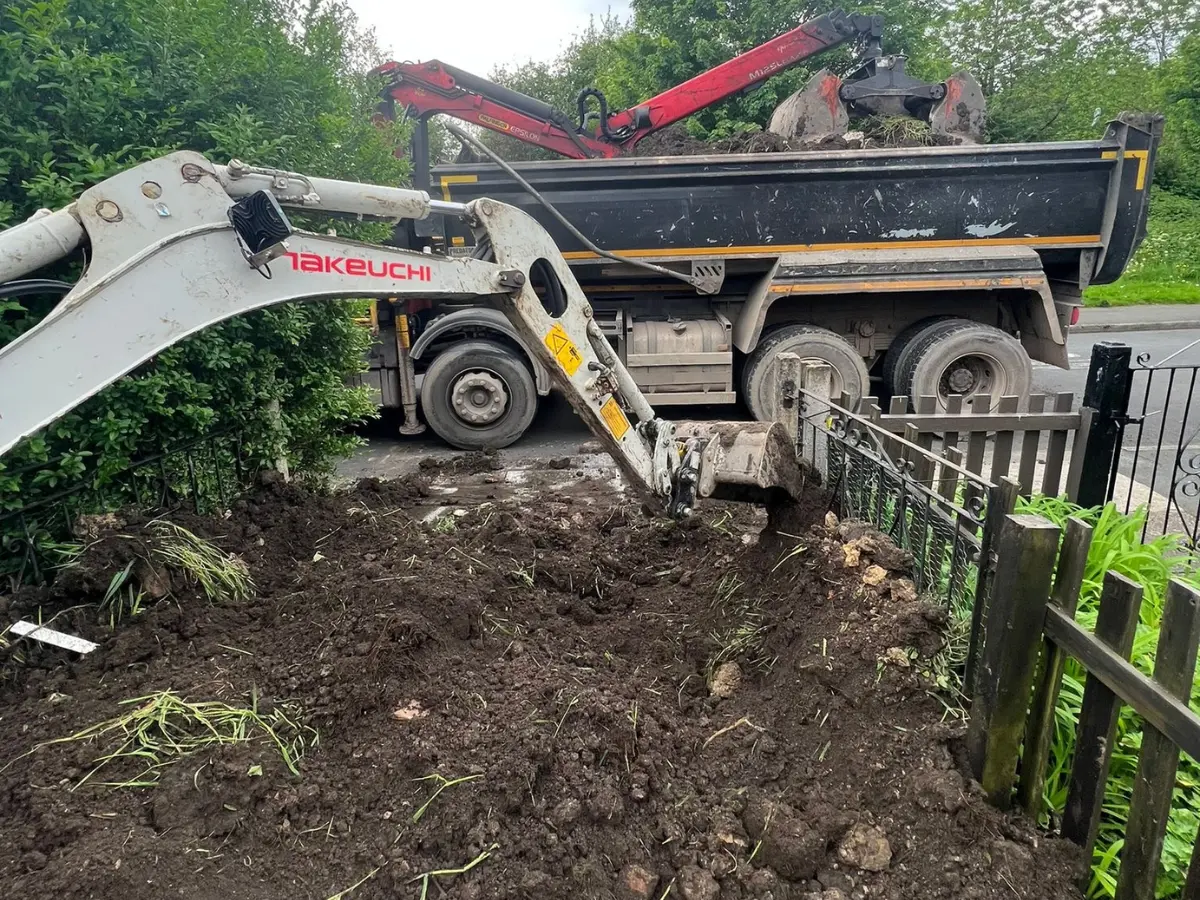
For significant quantities of material, grab lorries can be more efficient than a skip. These vehicles use hydraulic arms to load waste directly from the property.
This option is particularly useful when dealing with large amounts of excess soil around a site or after a major construction project.
Unlike a skip, which remains on site, grab lorries can remove waste quickly and reduce disruption, especially where access is limited.
What Should You Do With Contaminated Soil?
Not all soil can be reused or recycled. Contaminated soil may contain chemicals, invasive plants, or harmful substances that require specialist treatment.
Materials affected by knotweed, fuel contamination, or other pollutants must be assessed carefully. In some cases, the soil may need to be transported to approved treatment facilities.
Because of the associated health and safety risks, contaminated soil should always be handled responsibly and in accordance with regulations.
Can You Dump Soil Anywhere?
Many people wonder whether they can simply dump soil anywhere. The answer is no.
There is a legal duty to ensure waste is managed correctly. Fly tipping soil, rubble, or other waste can result in penalties and environmental damage.
If you use a contractor for waste removal, make sure they are a registered waste carrier and can provide appropriate waste transfer documentation where required.
How Can You Keep Disposal Costs Down?
Managing disposal costs starts with separating materials properly. Clean soil, green waste, and rubble are often cheaper to process when sorted in advance.
If you know how much soil you have and the approximate quantities of soil, you can choose the most cost-effective option, whether that’s hiring a skip, using waste collection, or arranging a specialist service.
Good planning helps reduce unnecessary charges such as landfill tax while supporting responsible waste management practices.
Key Things to Remember
- Reuse clean soil in raised beds, borders, and flowerbeds where possible.
- Offer unwanted material through Freecycle or Facebook Marketplace.
- Compost suitable green waste rather than disposing of it.
- Use a recycling centre or waste recycling centre for accepted materials.
- Consider skip hire for medium-sized projects.
- Use grab lorries for large volumes and difficult access locations.
- Never dump soil anywhere or use unlicensed operators.
- Check whether soil is contaminated soil before reusing it.
- Ensure waste is collected by a licensed waste carrier.
- Prioritise ways to recycle and reuse materials before sending them to landfill.
WasteXpress
Get in touch with our friendly team, we provide accurate quotes within 5 mintues!
Table of Contents
REad more
An office clearance involves more than taking away desks and emptying cupboards. Before returning a commercial premise to a landlord,...
An office clearance can become complicated when desks, storage, electrical equipment and confidential documents all need removing together. This guide...
Clearing a workplace in Wigan can involve far more than removing a few desks. Businesses may need to manage furniture,...
Whether you're clearing out your home, renovating a property, or simply need unwanted waste collected quickly, finding a reliable rubbish...
