
Who Is Responsible If Your Waste Is Fly-Tipped?
Fly-tipping is the illegal dumping of waste on land or in water, and responsibility does not always end with the person who physically dumps it. Householders have a duty to make reasonable checks when paying someone to remove rubbish, while landowners can also face the cost of clearing waste dumped on private land.
This guide explains who may be held responsible, what happens when waste is traced back to you, the difference between public or private land, and the steps you can take to prevent fly-tipping.
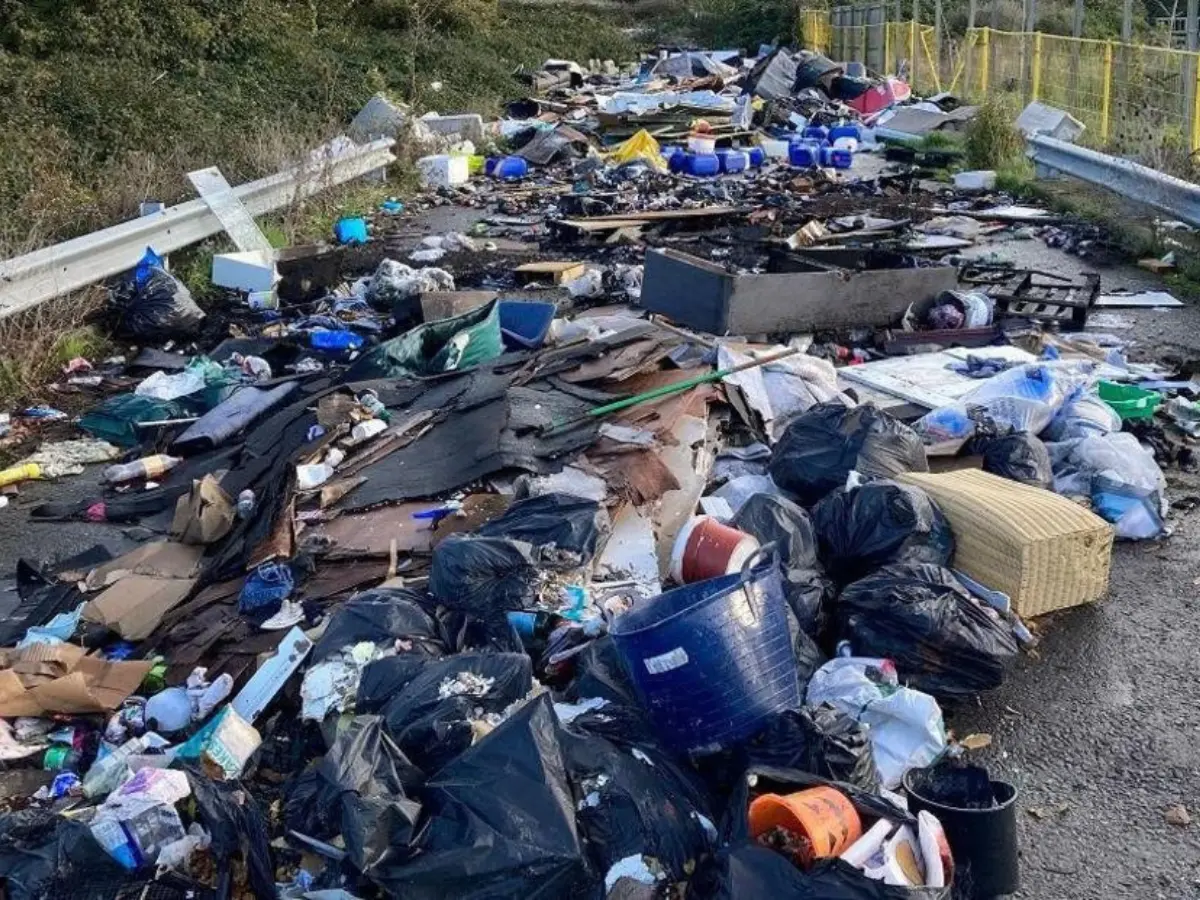
Table of Contents
Who Is Responsible for Fly-Tipping?
The person who illegally deposits the waste commits a criminal offence. Under section 33 of the Environmental Protection Act 1990, waste must not be deposited, treated or disposed of without the appropriate authorisation. Local authorities and the Environment Agency can take enforcement action against fly-tippers. GOV.UK
However, responsibility can extend beyond the person who physically dumps the rubbish. A householder or business arranging waste removal has responsibilities over who receives their waste. If you pay someone to take it away without checking that they are authorised, and the waste is later found fly-tipped, your actions may also be investigated. GOV.UK
Can You Be Held Responsible If Someone Else Dumps Your Rubbish?
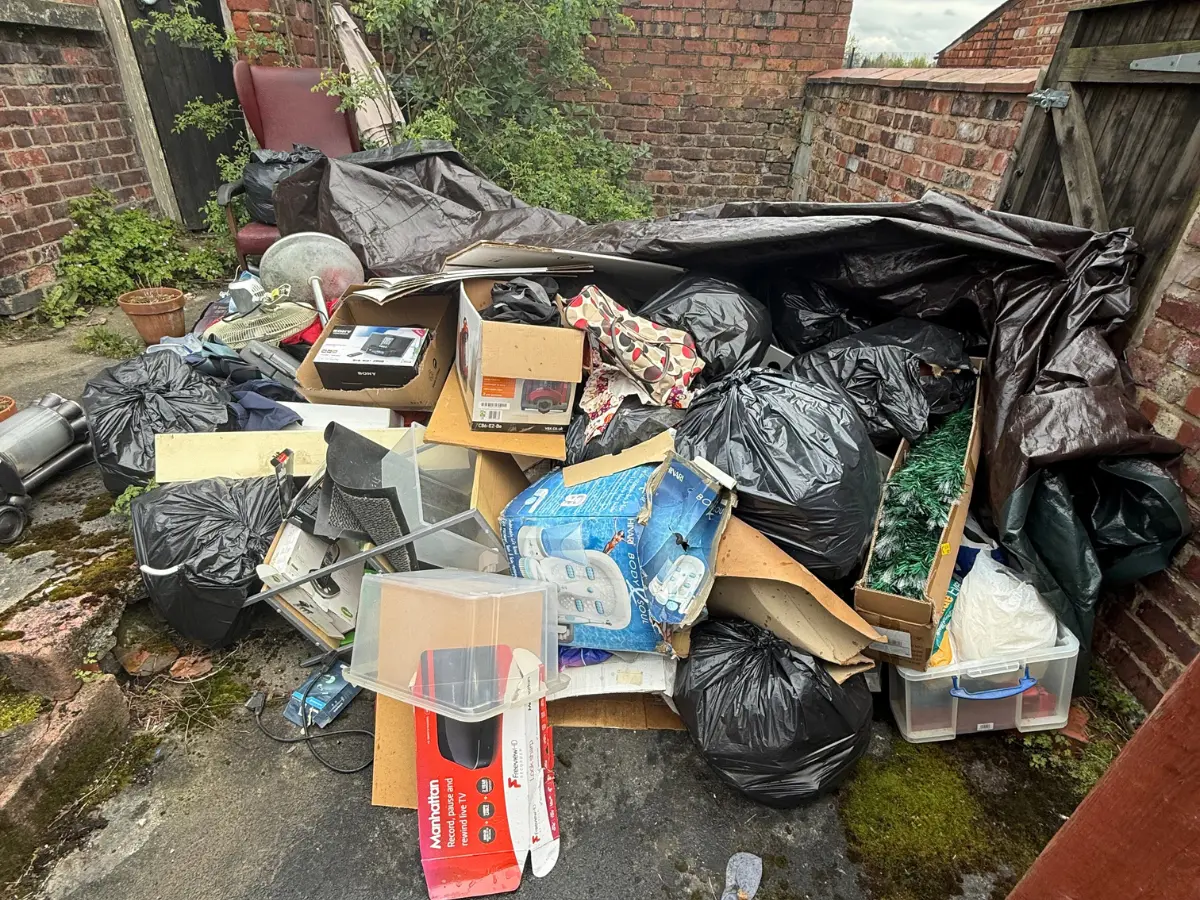
Potentially. Householders have a duty of care to take reasonable steps to ensure household waste is transferred to an authorised person.
If dumped waste contains identifiable items such as letters, invoices or packaging carrying your details, investigators may trace the rubbish back to your property. That does not automatically prove that you carried out the fly-tipping, but you may be asked who collected the waste and what checks you made.
If you cannot identify the operator or the person was not a registered waste carrier, a council may consider whether you failed to meet your household waste duty of care. GOV.UK
Why Should You Check the Waste Carrier?
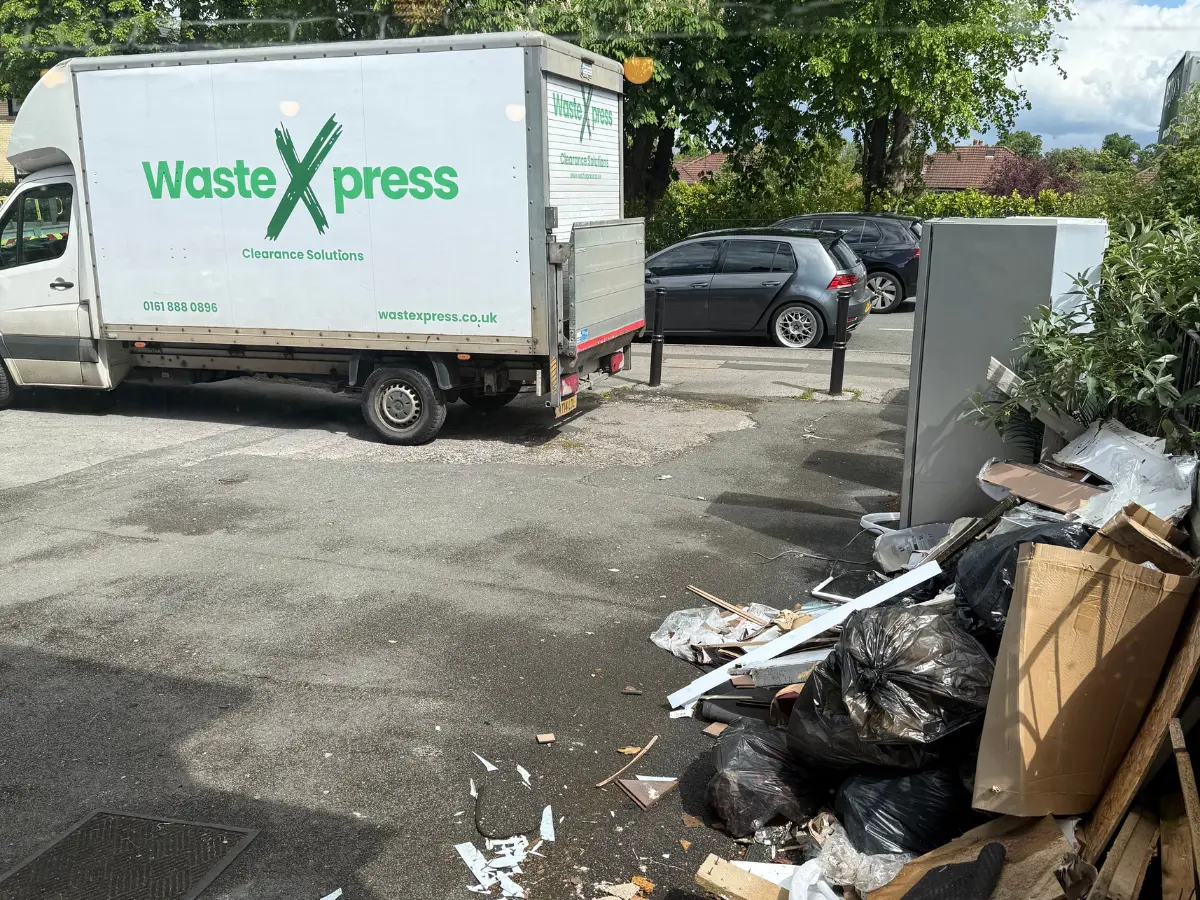
Before you pay someone to dispose of rubbish, check that the business is an authorised waste carrier.
A legitimate operator should be able to provide registration information that can be checked against the relevant public register. Keep basic evidence such as the company name, registration details, receipt and vehicle information where available.
For commercial waste, appropriate waste transfer documentation should also be retained. These simple checks help demonstrate that you made a reasonable effort to ensure your waste would be handled legitimately.
Using an unusually cheap, untraceable operator can create problems if they later illegally dump waste.
Who Removes Fly-Tipping From Public Land?
Where fly-tipping occurs on land that a council is required to keep clear, the local authority has responsibilities for clearing it. Local authorities also investigate many fly-tipping incidents and can prosecute offenders or take other enforcement action. GOV.UK
If you find fly-tipped waste on council owned land, report the incident to the local council rather than attempting to move it yourself.
Provide as much information as possible, including the location, description of the rubbish and details of any vehicle used if you witnessed the incident.
Who Is Responsible When Waste Is Dumped on Private Land?
The Environment Agency deals particularly with serious waste crime, including some large-scale or hazardous fly-tipping incidents. Local authorities handle much of the day-to-day enforcement associated with smaller incidents. GOV.UK
The Environment Agency does not generally have a duty to remove waste from private land. It may consider intervention in limited circumstances where there is an immediate and significant risk to human health or the environment. GOV.UK
If the waste appears hazardous, is affecting a watercourse or forms part of significant illegal waste activity, avoid touching it and report the incident through the appropriate authority.
What Should You Do If You Find Fly-Tipped Waste?
If you find fly-tipped waste, do not open bags or disturb hazardous-looking materials. Photograph the area from a safe position and record where and when you discovered it.
Report fly-tipping on public land to the relevant local council. For serious environmental incidents, the Environment Agency may also need to be informed.
If you find fly-tipped waste on your own private land, you should still report the incident before organising removal. Keep evidence such as CCTV footage, photographs or details of the vehicle used where available.
Never move the waste onto another piece of land or onto a road. Doing so can create a separate illegal dumping problem.
What Happens to the Person Who Fly-Tips?
Fly-tipping is a criminal offence. Depending on the circumstances, enforcement can include investigation, fixed penalties or prosecution.
Authorities may use evidence such as CCTV, witness statements, vehicle details and identifiable material found amongst the rubbish to identify the tipper. Serious incidents involving organised waste crime or hazardous materials can attract more significant enforcement.
The fact that waste was originally produced by someone else does not give an operator permission to illegally dump it.
How Can Householders Prevent Fly-Tipping?
The easiest way to prevent fly-tipping connected to your waste is to use a registered waste carrier and keep a record of who collected it.
Be cautious of unmarked vehicles, operators who will not provide business details or anyone offering to remove a large amount of rubbish for a price that appears unrealistic. Ask where the waste is going and keep your receipt.
You can also use legitimate council services, a household waste recycling centre where appropriate, or an authorised bulky waste collection service.
These checks protect both the householder and the environment.
How Can Landowners Prevent Fly-Tipping?
Landowners cannot eliminate every risk, but physical security can help prevent fly-tipping. Gates, barriers, lighting and CCTV can make secluded access points less attractive to offenders.
Areas beside quiet roads, industrial land and rural locations can be particularly vulnerable because fly-tippers can dump materials quickly without being seen.
If repeated incidents occur, record them consistently and speak to the local authorities about possible preventative measures. Groups such as Keep Britain Tidy also campaign against illegal dumping and encourage responsible waste management.
Public or Private Land: Why Does the Difference Matter?
The location of a fly tip affects who normally has to arrange removal.
On qualifying public or council maintained land, the local authority will generally deal with clearing the rubbish. On private land, responsibility for arranging removal usually falls to the landowner, even when they have become a victim of fly-tipping. GOV.UK
The person responsible for illegally depositing the waste can still face enforcement regardless of whether the waste was dumped on public or private land.
Important Things to Remember
- Fly-tipping is a criminal offence.
- The person who dumps waste illegally can be prosecuted.
- Householders must take reasonable steps to use an authorised waste carrier.
- Waste traced back to you may lead to questions about who collected it.
- Keep receipts and carrier details when arranging waste removal.
- Local councils deal with many fly-tipping incidents on public land.
- Landowners may have to pay to remove waste dumped on private land.
- Never move fly-tipped rubbish somewhere else.
- Hazardous waste should not be touched or handled without appropriate advice.
- Using a registered waste carrier is one of the simplest ways to prevent fly-tipping connected to your waste.
WasteXpress
Get in touch with our friendly team, we provide accurate quotes within 5 mintues!
Table of Contents
REad more
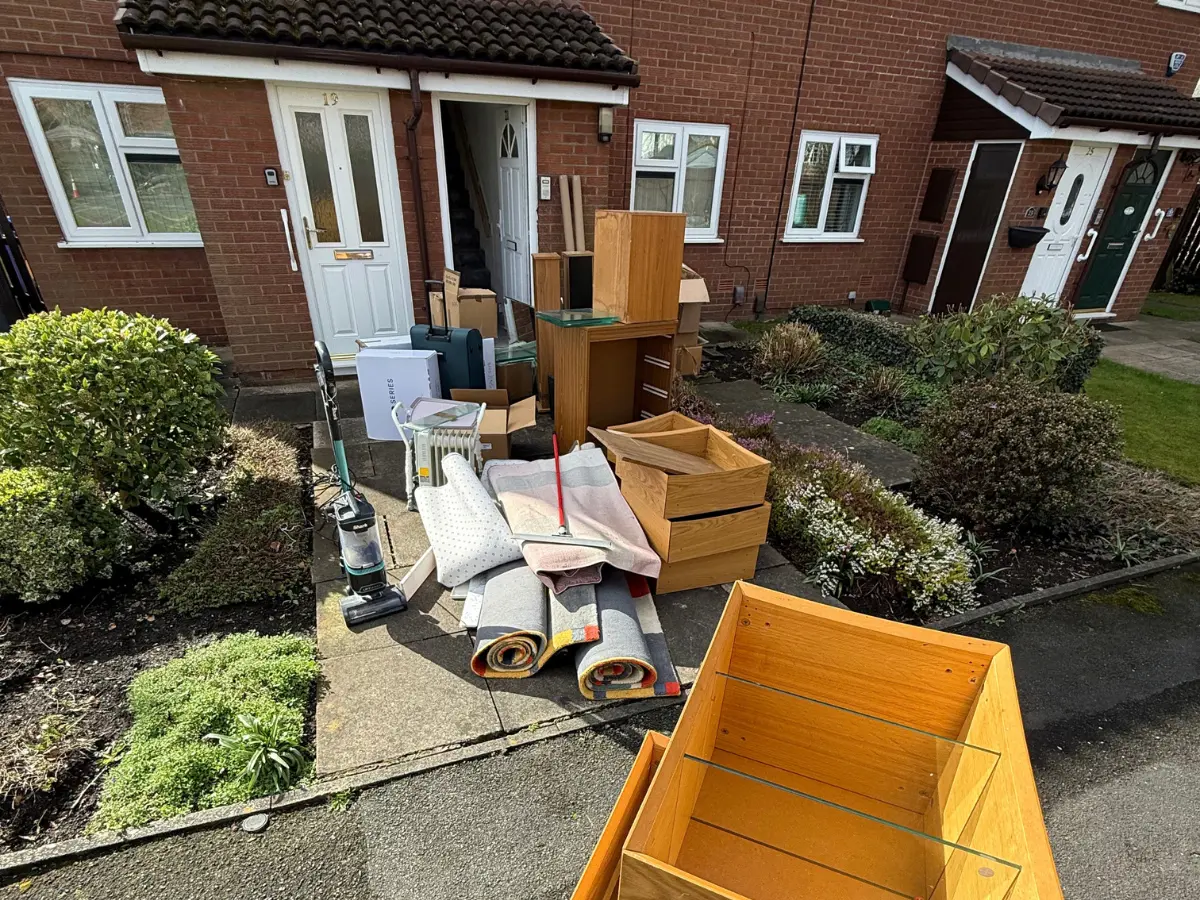
The cost of furniture removal in Manchester depends on several practical factors, including how many items need collecting, their size...
Old computers, laptops and other IT equipment should not simply be thrown in the bin. Devices may contain personal data,...
Fly-tipping is the illegal dumping of waste on land or in water, and responsibility does not always end with the...
A professional rubbish removal company can usually take far more than a few bags of household rubbish. From sofas and...