Fraud Blocker

How to Dispose of Old Computers and IT Equipment Safely in the UK

Old computers, laptops and other IT equipment should not simply be thrown in the bin. Devices may contain personal data, batteries, valuable components and materials that can be reused or recycled.


This guide explains how to dispose of old computer equipment securely, when to donate or recycle, and how businesses can arrange responsible IT disposal and data destruction.

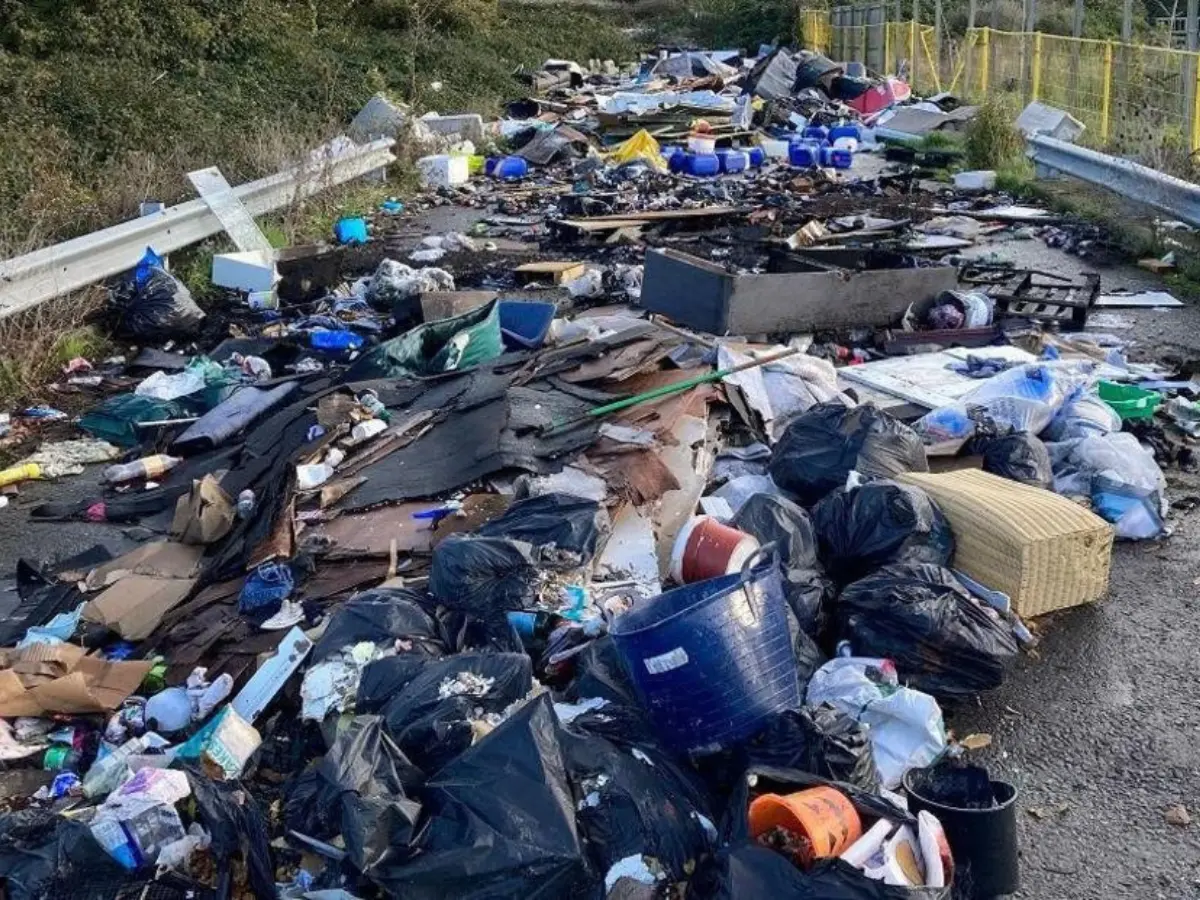
Old computers, laptops, monitors and IT equipment ready for recycling and responsible disposal.

Table of Contents

Can You Put an Old Computer in the Bin?

No. Computers, laptops and most electronic equipment should not be placed in general waste. They contain electrical components and materials that need specialist disposal and recycling.


In the UK, unwanted electronics are generally handled under WEEE rules. A proper recycling company can collect and process equipment safely.

Should You Wipe a Computer Before Disposal?

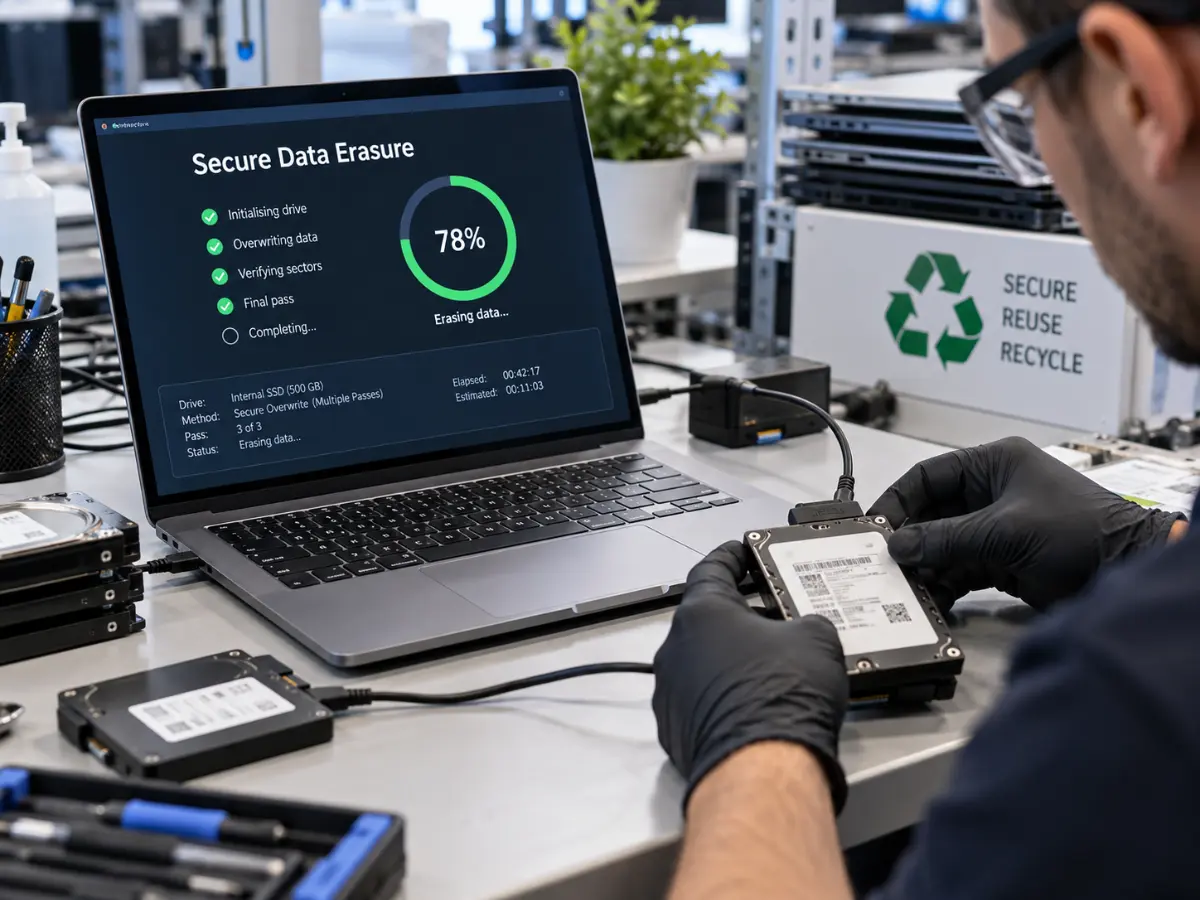
Laptop and hard drive being securely wiped before computer recycling or disposal.

Yes. Before you recycle or donate an old computer, securely remove personal data.


Simply deleting files may not be enough. Businesses should use an appropriate wipe or data destruction process so information cannot be recovered. For redundant IT equipment containing sensitive information, professional secure IT disposal is often the safest option.

Can Old Laptops Be Recycled?

Yes. Old laptops contain materials such as plastic, metals, batteries and electronic components that can often be recovered.


Computer recycling helps reduce electronic waste and keeps usable materials in circulation. A specialist collection service can separate equipment and send suitable components for reuse or recycling.

Can You Donate Computers and Laptops?

If a laptop, desktop or tablet is still in good working order, donation may be better than disposal.


You may be able to donate your old equipment to a charity, community organisation or reuse scheme. Always erase personal data securely before making a donation.


This can help others while extending the useful life of the equipment.

What About Mobile Phones and Tablets?

A mobile phone or tablet should be treated in much the same way as a computer.


Remove personal data, sign out of accounts and reset the device before recycling or donation. Batteries should also be handled safely, particularly if they are damaged or swollen.


Many retailers and recycling services can collect unwanted mobile and electronic equipment.

What Happens During Computer Recycling?

A recycling company will normally assess whether the equipment can be reused, refurbished or broken down for materials.


Working devices may be refurbished, while unusable hardware can be dismantled. Metals, circuit boards, cable, plastic and other components can then be recovered where possible.


The aim is to recycle responsibly rather than send electronic waste to general disposal.

How Should Businesses Dispose of IT Equipment?

Businesses often have larger quantities of laptops and computers to clear. The disposal process should include asset tracking, secure collection and data protection.


An organisation may also need evidence showing how its computer equipment was processed. For larger collections, an IT recycling company can arrange the job from start to finish.

What Is Secure Data Destruction?

Data destruction means permanently removing information from a device so it cannot be recovered.


This may involve specialist software such as Blancco, secure erasure or physical destruction of storage hardware. The right method depends on the sensitivity of the data and whether the equipment is being reused.


Businesses should make sure personal data is securely removed before any asset leaves their control.

Can Cables and Accessories Be Recycled Too?

Yes. Cables, chargers, plugs and some accessories can be included with electronic recycling.


Do not overlook drawers or storage areas when clearing old IT equipment. Small items such as a cable, charger or redundant mobile device can often be recycled alongside larger hardware.

How Do You Arrange Collection of Old IT Equipment?

Start by creating a list of unwanted equipment and separating items that may still be suitable for reuse or donation.


For business collections, contact a licensed carrier or recycling service and explain what needs collecting. Some companies offer nationwide collection across the UK, while others operate locally.


Before collection, confirm how data will be handled, whether batteries need separate treatment, and where the equipment will go.

Important Things to Remember

  • Do not put computers or laptops in general waste.
  • Securely wipe personal data before disposal.
  • Recycle electrical and electronic equipment through an appropriate service.
  • Donate equipment that is still in good working order.
  • Treat batteries and damaged electronics carefully.
  • Include cables, chargers and accessories in the recycling process.
  • Businesses should consider secure IT disposal and documented data destruction.
  • Use a reputable recycling company for collection and responsible processing.

WasteXpress

Get in touch with our friendly team, we provide accurate quotes within 5 mintues!

Table of Contents

REad more